Hebron Relocation

Collaborators : Andersen, Holly | Baulu, Kat | Clarke, Annette | Fernando, Rohan | Hartery, Latonia | Office national du film du Canada

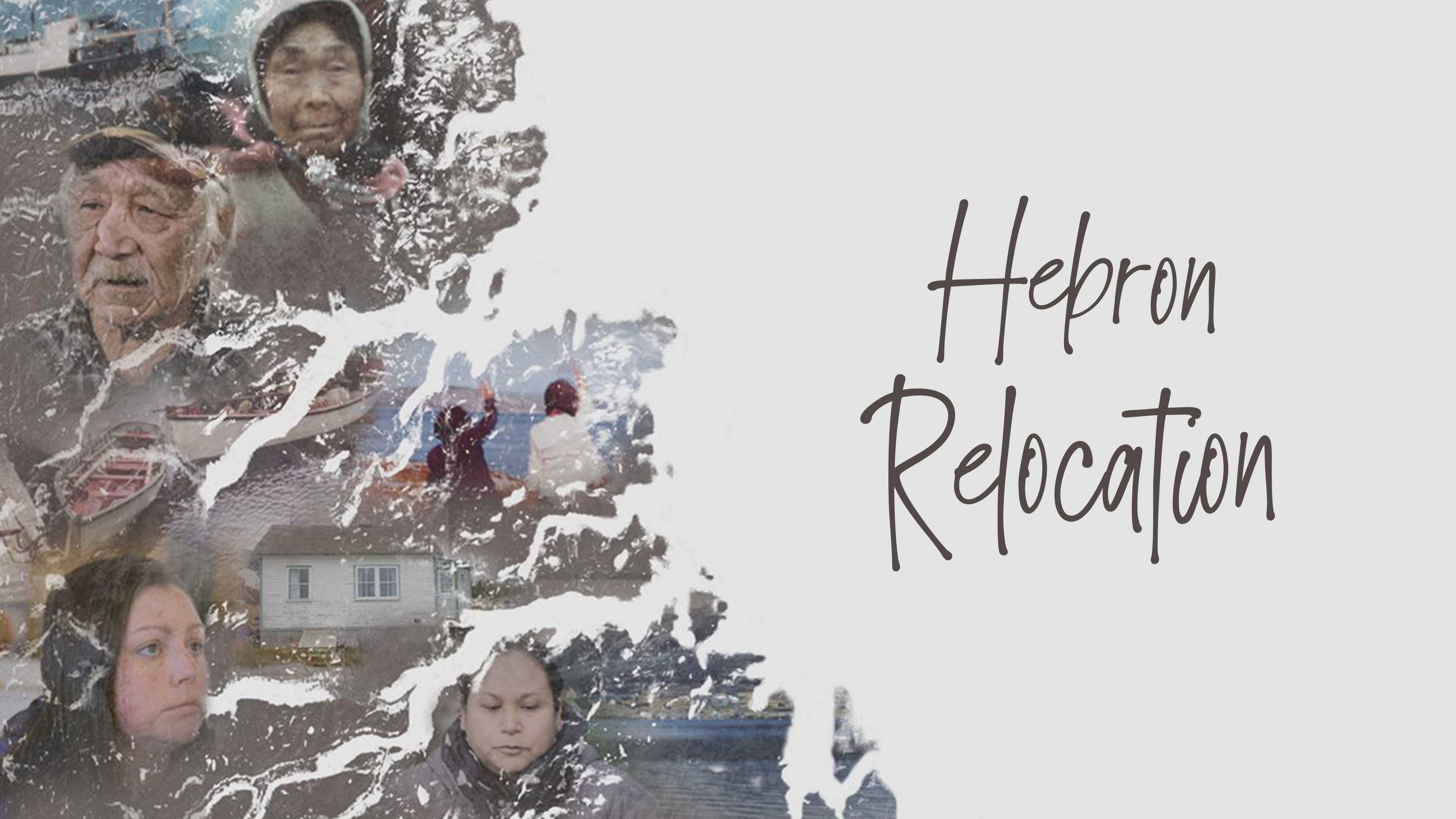
Filmmaker Holly Andersen of Makkovik, Nunatsiavut, always knew that the house she lives in carries within its frame the echoes of the forced displacement of northern Labrador Inuit. In Hebron Relocation, Andersen explores what makes a place a home as she speaks with community members about how the relocation impacted generations of Labrador Inuit. Located in an area of Makkovik still known as Hebron End, Andersen's house was one of many homes across Labrador communities that were hastily built for incoming northern Inuit relocatees. The few houses that remain are reminders of how the relocations reshaped not just Makkovik, but many communities in Nunatsiavut. Realizing she did not know the whole story behind the relocations, Andersen felt compelled to learn more about her community's connection. In 1959, residents of the northern Labrador Inuit community of Hebron were told that, without question, they would be divided up and relocated to more southerly communities across the region. Community members travelled south by boat for hundreds of kilometres to their new homes, including the community of Makkovik. Most families were not prepared for such a drastic change. They left everything they knew behind, and integrating into new communities was not always easy. Even though these families were relocated generations ago, many still consider themselves to be living far from home. Growing up, Andersen knew of the relocations, with some of her friends and neighbours being descendants of the relocatees, but she did not realize the extent to which Inuit in Nunatsiavut were still feeling the impacts of their displacement. Through touching conversations with community members, Andersen guides us with care as she learns about their stories of relocation and reflects on what it has meant for their families. By weaving together intimate stories from her community with rare footage that gives us a glimpse of community life during this upheaval, Andersen provides a heartfelt look at a difficult past that has changed the lives of Labrador Inuit forever.

Grade levels
Secondaire
3e secondaire | 4e secondaire | 5e secondaire

Discover similar resources

Image représentant la ressource: Hebron Relocation

Hebron Relocation

Filmmaker Holly Andersen of Makkovik, Nunatsiavut, always knew that the house she lives in carries within its frame the echoes of the forced displacement of northern Labrador Inuit. In Hebron Relocation, Andersen explores what makes a place a home as she speaks with community members about how the relocation impacted generations of Labrador Inuit. Located in an area of Makkovik still known as Hebron End, Andersen's house was one of many homes across Labrador communities that were hastily built for incoming northern Inuit relocatees. The few houses that remain are reminders of how the relocations reshaped not just Makkovik, but many communities in Nunatsiavut. Realizing she did not know the whole story behind the relocations, Andersen felt compelled to learn more about her community's connection. In 1959, residents of the northern Labrador Inuit community of Hebron were told that, without question, they would be divided up and relocated to more southerly communities across the region. Community members travelled south by boat for hundreds of kilometres to their new homes, including the community of Makkovik. Most families were not prepared for such a drastic change. They left everything they knew behind, and integrating into new communities was not always easy. Even though these families were relocated generations ago, many still consider themselves to be living far from home. Growing up, Andersen knew of the relocations, with some of her friends and neighbours being descendants of the relocatees, but she did not realize the extent to which Inuit in Nunatsiavut were still feeling the impacts of their displacement. Through touching conversations with community members, Andersen guides us with care as she learns about their stories of relocation and reflects on what it has meant for their families. By weaving together intimate stories from her community with rare footage that gives us a glimpse of community life during this upheaval, Andersen provides a heartfelt look at a difficult past that has changed the lives of Labrador Inuit forever.

Grade levels : 3e secondaire | 4e secondaire | 5e secondaire
Image représentant la ressource: Le déplacement de Hebron

Le déplacement de Hebron

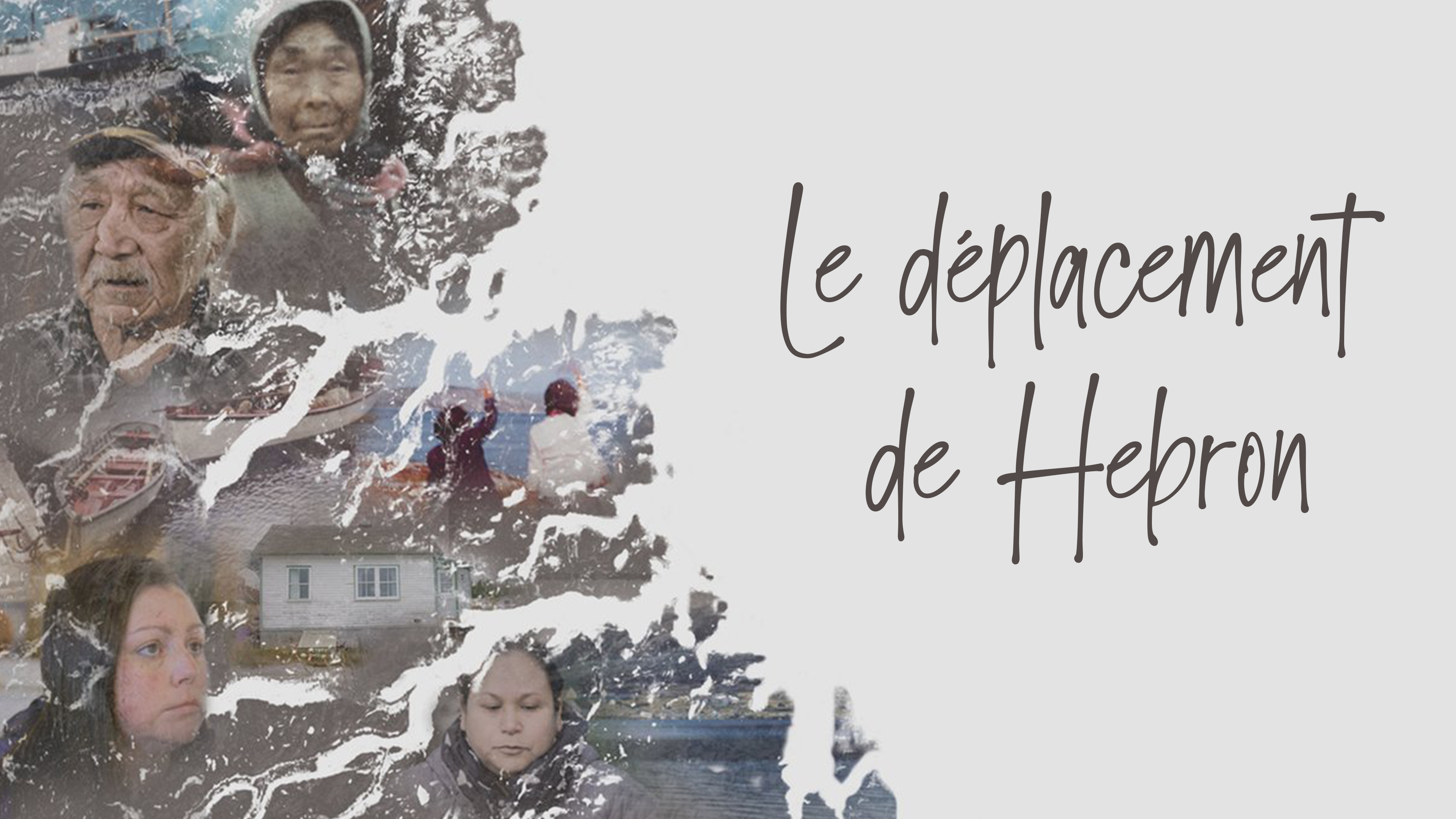
Holly Andersen, de Makkovik, au Nunatsiavut, a toujours su que la maison dans laquelle elle vit porte en ses murs les échos du déplacement forcé des Inuit du nord du Labrador. Dans Le déplacement de Hebron, la réalisatrice explore ce qui fait d'un lieu un véritable chez-soi, alors qu'elle s'entretient avec des connaissances et des proches de l'incidence de la réinstallation sur des générations d'Inuit du Labrador. Située dans un quartier de Makkovik encore appelé Hebron End, la maison de Holly Andersen est l'une des nombreuses demeures construites à la hâte pour accueillir les Inuit arrivant du Nord. Les quelques maisons qui subsistent témoignent de la façon dont les réinstallations ont remodelé non seulement Makkovik, mais aussi de nombreuses communautés du Nunatsiavut. Consciente de ne pas connaître toute l'histoire qui sous-tend cet événement, Holly Andersen ressent l'obligation d'en savoir davantage sur les liens qui unissent sa communauté. En 1959, les Inuit de Hebron, dans le nord du Labrador, ont appris qu'on allait les séparer et les déplacer vers le sud de la région. Il leur a fallu parcourir des centaines de kilomètres en bateau pour rejoindre leurs nouvelles demeures, entre autres à Makkovik. La plupart des familles n'étaient pas préparées à un changement aussi radical. Elles ont laissé derrière elles tout ce qu'elles connaissaient, et le fait de s'intégrer dans un lieu différent n'a pas toujours été aisé. Bien que ces familles aient été relogées il y a plusieurs générations, nombre d'entre elles considèrent encore qu'elles vivent loin de chez elles. Dans sa jeunesse, Holly Andersen avait entendu parler des réinstallations. Des camarades et des gens de son voisinage descendaient de personnes relogées, mais elle n'avait pas réalisé à quel point les Inuit du Nunatsiavut ressentaient encore les effets de leur déplacement. Au fil de conversations touchantes avec des membres de la communauté, Holly Andersen nous guide avec délicatesse alors qu'elle met au jour les dessous de cet événement et réfléchit à sa signification pour les familles. Entremêlant les histoires intimes de sa communauté et des images rares qui donnent un aperçu de la vie pendant ce bouleversement, la cinéaste jette un regard sincère sur un passé difficile qui a métamorphosé à jamais la vie des Inuit du Labrador.

Grade levels : 3e secondaire | 4e secondaire | 5e secondaire
Image représentant la ressource: Miss Campbell : Inuk Teacher

Miss Campbell : Inuk Teacher

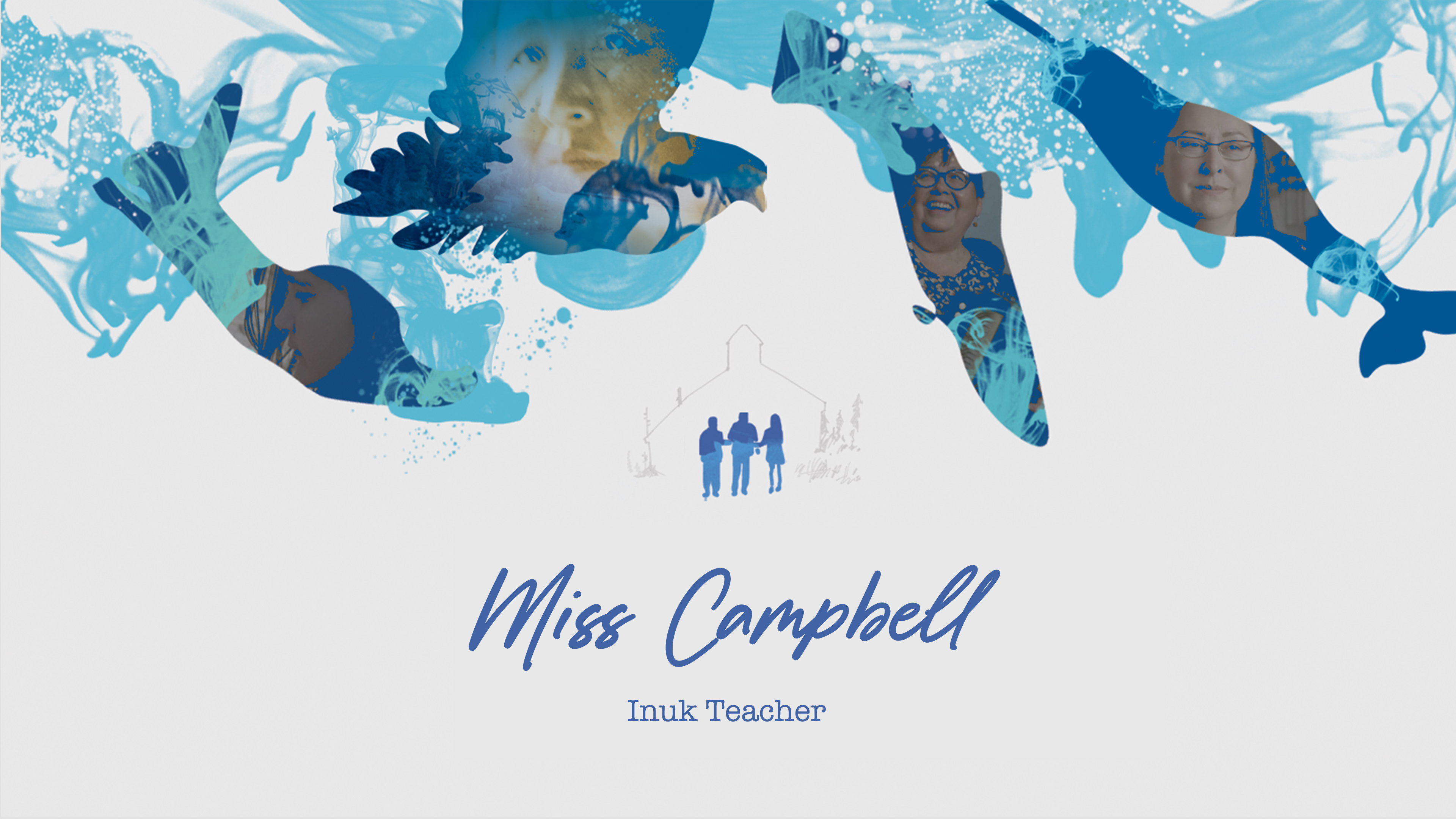
To Heather Campbell, her grandmother was a teacher, a matriarch and a beloved family member, but to everyone else in the small community of Rigolet, Labrador, she was a force of nature otherwise known as Miss Campbell. Part oral history and part visual poem, Miss Campbell: Inuk Teacher combines Heather's exquisite water colour paintings of narwhals, polar bears, seals and birds with home movies, family photos and lively animation to capture the spirit of this extraordinary woman for her documentary portrait. From a young age, Evelyn Campbell possessed a keen sense of justice. At residential school, she helped her fellow students study and pass exams, an experience that forged her desire to be a teacher. As one of the first Indigenous educators in the public school system in the country, she wanted to instill a sense of pride in her students, teach them about their culture and break the cycle of stigma and trauma that she herself had suffered at residential school. "She knew that all of the kids in this town were smart," explains her granddaughter Heather. "She knew that we could succeed." As a trailblazer for an Inuit-led educational system, Evelyn was the only teacher in a one-room school, teaching grades K-12. Although she had inherited the methodologies of earlier educators, her motivation was entirely different. In a career that spanned more than 35 years, she embraced her Inuit heritage and shared her passion for learning through music and stories. In 1986, Evelyn Campbell was awarded the Order of Canada. Recreating not only the events of a life, but also the spare beauty of the landscape in fluid, free-flowing images that embody traditional knowledge passed on from generation to generation, Miss Campbell: Inuk Teacher is a loving testimony to the ability of one person to help shape an entire community.

Grade levels : 1re secondaire | 2e secondaire