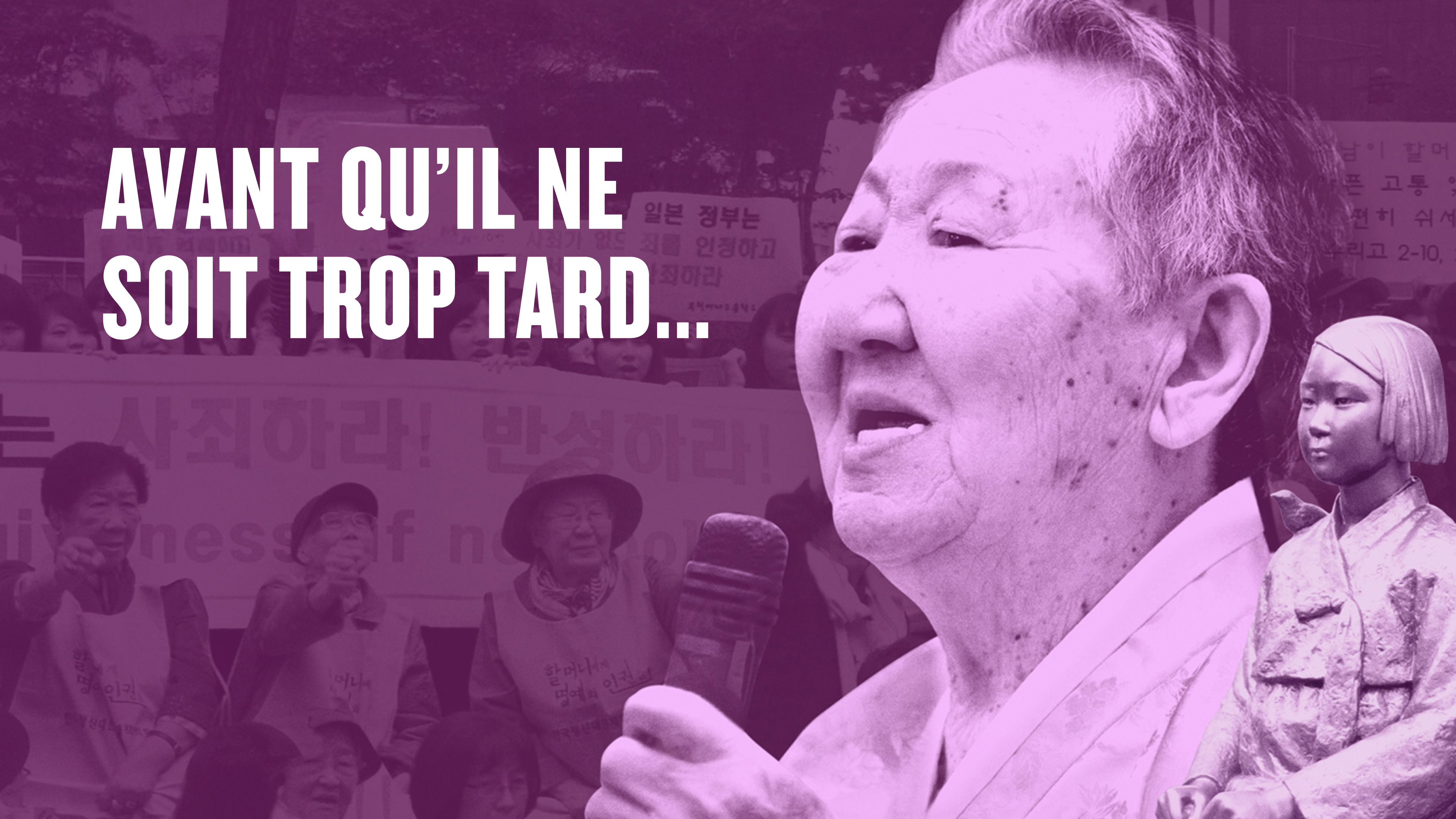
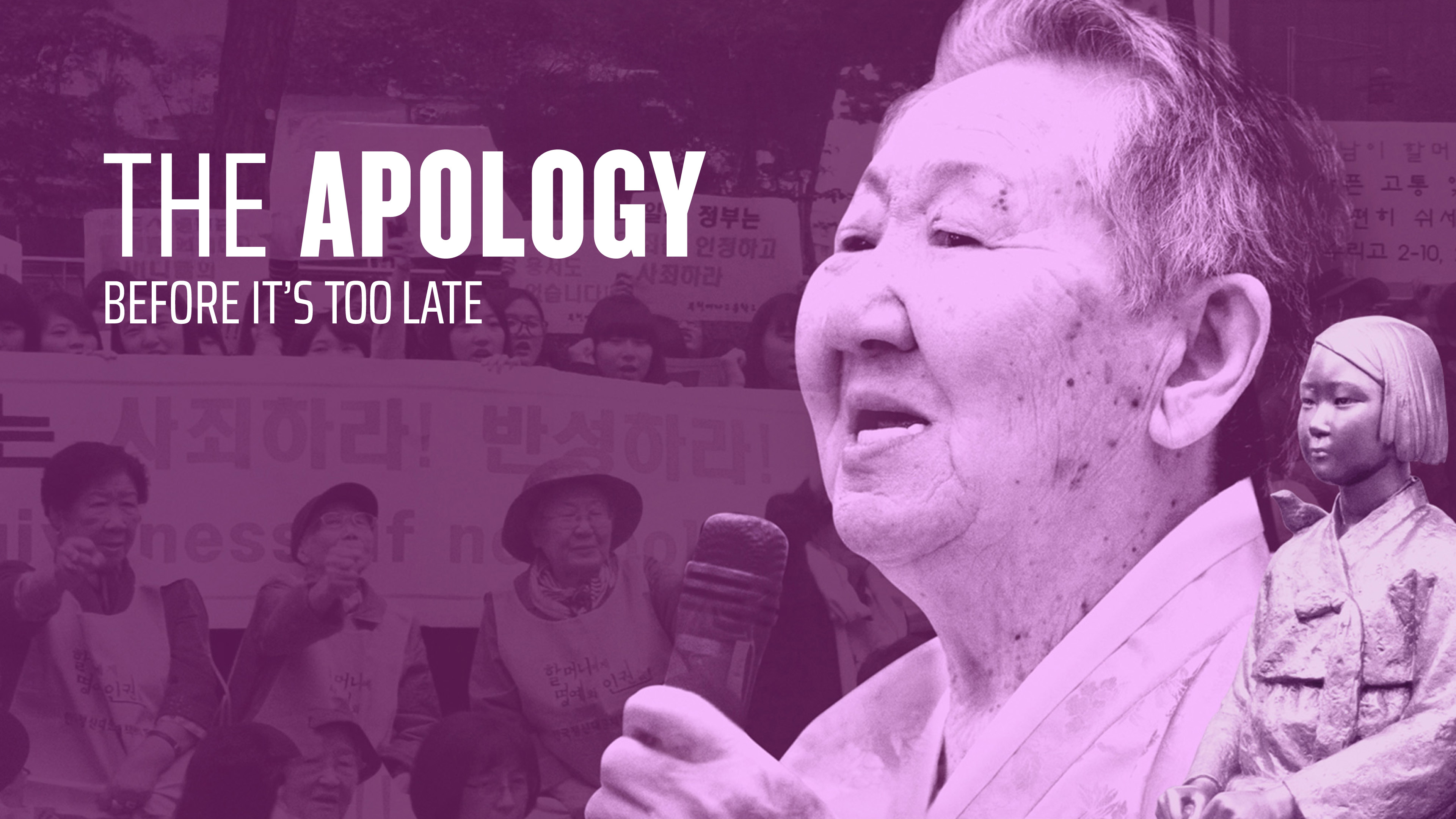
The Apology

Collaborateurs : Hsiung, Tiffany | Lee, Anita | Office national du film du Canada

The Apology follows the personal journeys of three former « comfort women » who were among the 200,000 girls and young women kidnapped and forced into military sexual slavery by the Imperial Japanese Army during World War II. Some 70 years after their imprisonment in so-called « comfort stations », the three « grandmothers »- Grandma Gil in South Korea, Grandma Cao in China, and Grandma Adela in the Philippines – face their twilight years in fading health. After decades of living in silence and shame about their past, they know that time is running out to give a first-hand account of the truth and ensure that this horrific chapter of history is not forgotten. Whether they are seeking a formal apology from the Japanese government or summoning the courage to finally share their secret with loved ones, their resolve moves them forward as they seize this last chance to set future generations on a course for reconciliation, healing, and justice.

Années
Formation générale des adultes
Adultes 1er cycle | Adultes 2e cycle
Secondaire
4e secondaire | 5e secondaire
Résultats de la recherche

Découvrir des ressources similaires

Image représentant la ressource: To Kill a Tiger

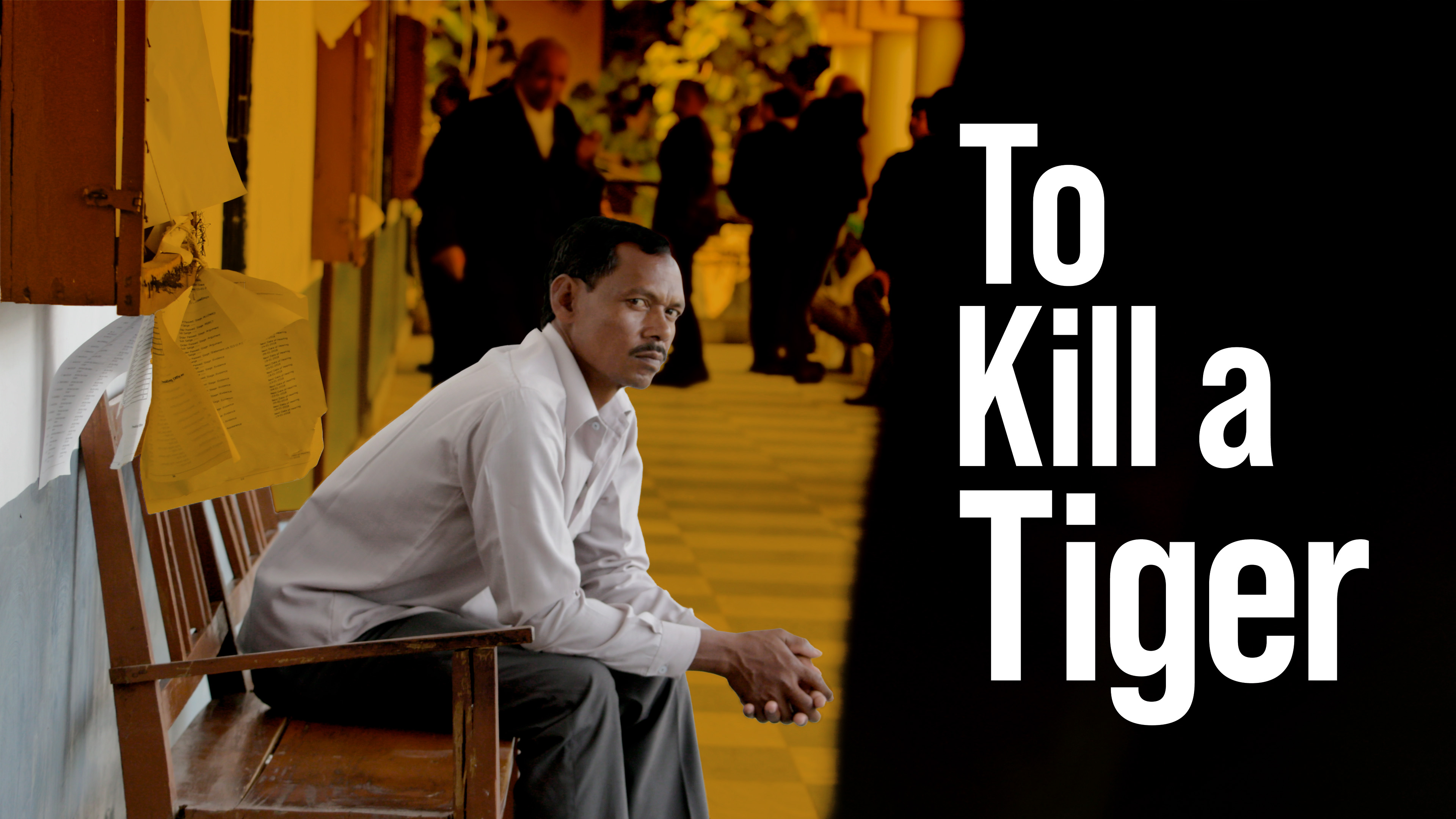
To Kill a Tiger

In a small village in Jharkhand, India, Ranjit wakes up to find that his 13-year-old daughter has not returned home from a family wedding. Calls are made, a search ensues, and a few hours later, she's found stumbling home. After being dragged into the woods she was sexually assaulted by three men, all of whom are known to the family. Ranjit and his wife go to the police, and the men are arrested. But the family's relief is short-lived when the villagers and their leaders launch a sustained campaign to force Ranjit to drop the charges. They demand the girl marry one of her rapists-a tried and true community solution. This, they feel, is the only way to restore her honour and that of the community. Ranjit defies their edict and embarks on a perilous journey, navigating both the labyrinth of India's courts and the rising dangers in his village. A cinematic, David and Goliath story, To Kill a Tiger follows Ranjit's uphill battle to find justice for his child. In India, where a rape is reported every 20 minutes and conviction rates are less than 30 percent, Ranjit's decision to support his daughter is virtually unheard of, and his journey unprecedented. His stand piques the interest of the Srijan Foundation, an NGO working to sensitize men and boys on women's rights. They look to Ranjit as a poster boy for their work and an inspiration to other men. Their support, along with the presence of the camera crew, fuels the ire of the villagers, and as the trial gets underway, threats of violence begin to loom. Ostracized by the community, dealing with mounting debt and fearing for himself and his family, Ranjit's composure begins to crack, and the whole process is in danger of being derailed. With tremendous access to all facets of this story, To Kill a Tiger charts the emotional journey of an ordinary man facing extraordinary circumstances. A father whose love for his daughter forces a social reckoning that will reverberate for years to come.

Années : Adultes 1er cycle | Adultes 2e cycle | 3e secondaire | 4e secondaire | 5e secondaire