A Drop in the Ocean

Collaborateurs : Bisaillon, Yves | Éthier, Lise | Office national du film du Canada

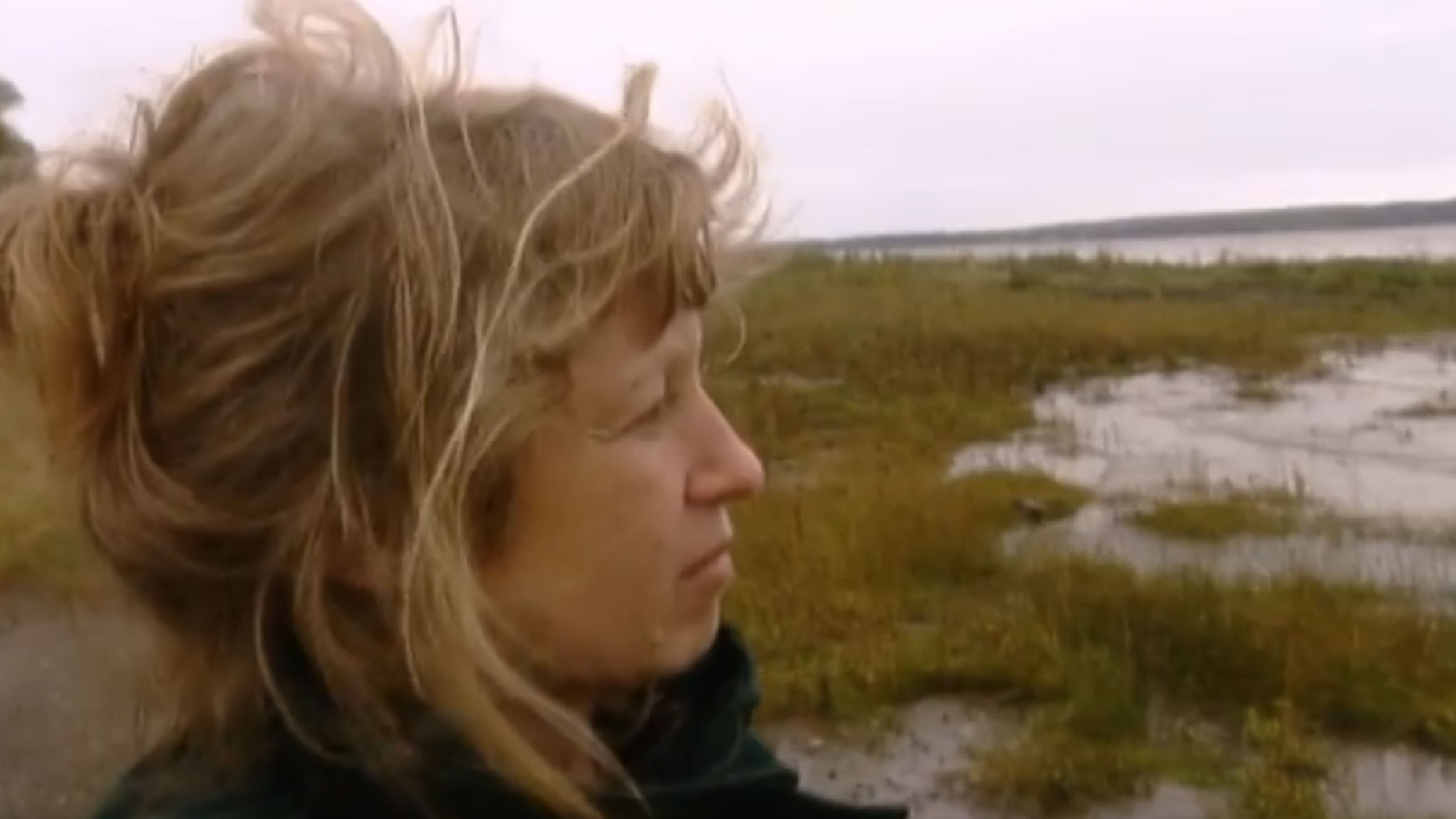
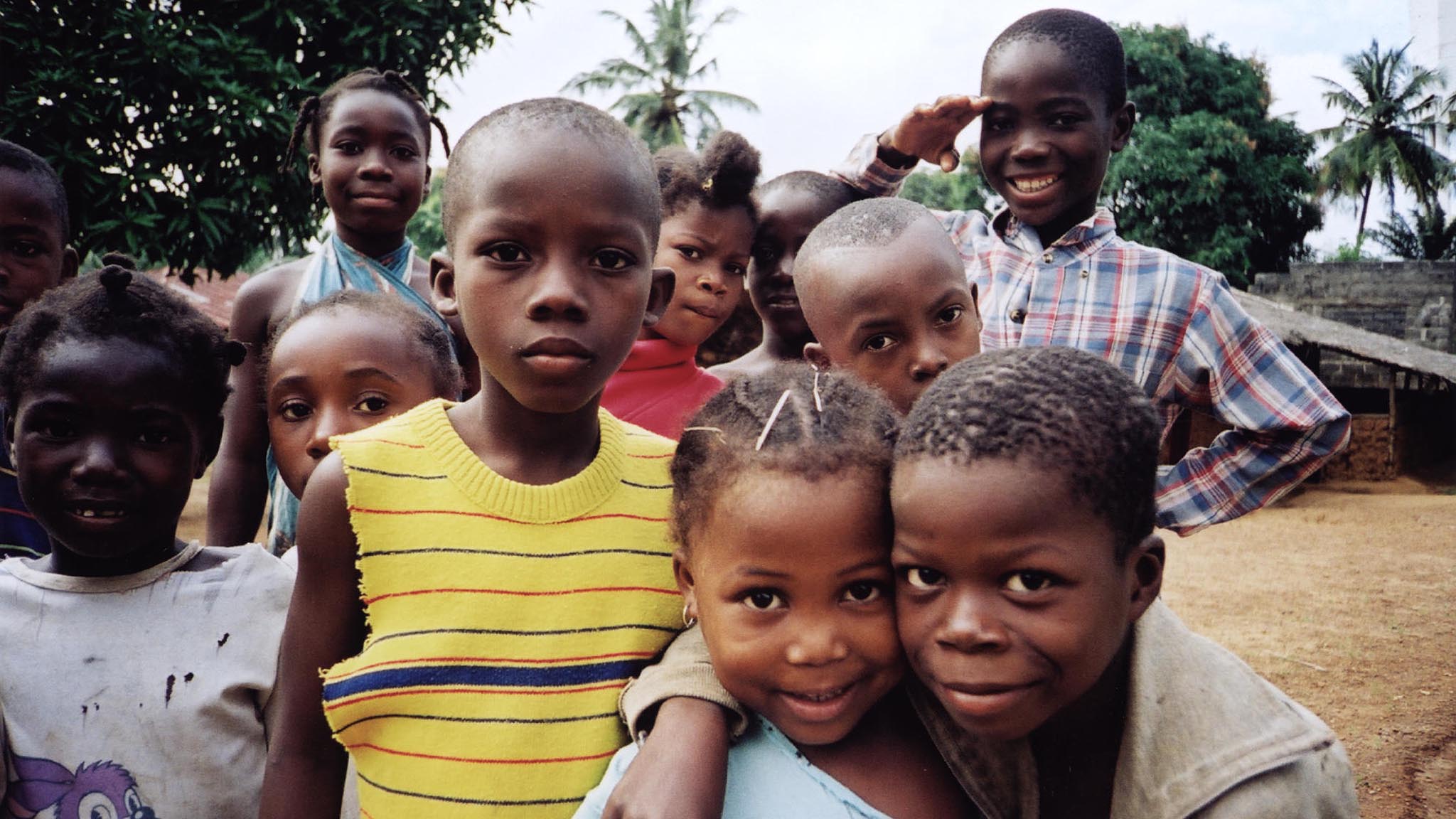
When Doctors without Borders, the humanitarian medical aid agency, won the Nobel Peace Prize in 1999, Dr. Claudette Picard was in Liberia. Her first mission with the agency had begun in this small country of West Africa six years before. In the meantime, she had practised medicine in other wartorn countries such as Zaire and Afghanistan, always in extremely hazardous conditions. What impels women and men like Dr. Picard to leave their easy lives behind and go off to do what little they can to alleviate human suffering? Whatever the motivation, the doctors are in the field, providing medical care and helping to draw attention to distant places often forgotten by the world's media. Places like Harper, a small town in Liberia devastated by a decade of civil war. This is where we follow Dr. Picard on her rounds. With her halting English, her comforting presence and a few scarce drugs, she sometimes manages to do the impossible. But not always... Some subtitles.


Années scolaires
Formation générale des adultes
Adultes 1er cycle | Adultes 2e cycle
Primaire
5e primaire | 6e primaire
Secondaire
1re secondaire | 2e secondaire | 3e secondaire | 4e secondaire | 5e secondaire
Résultats de la recherche

Découvrir des ressources similaires

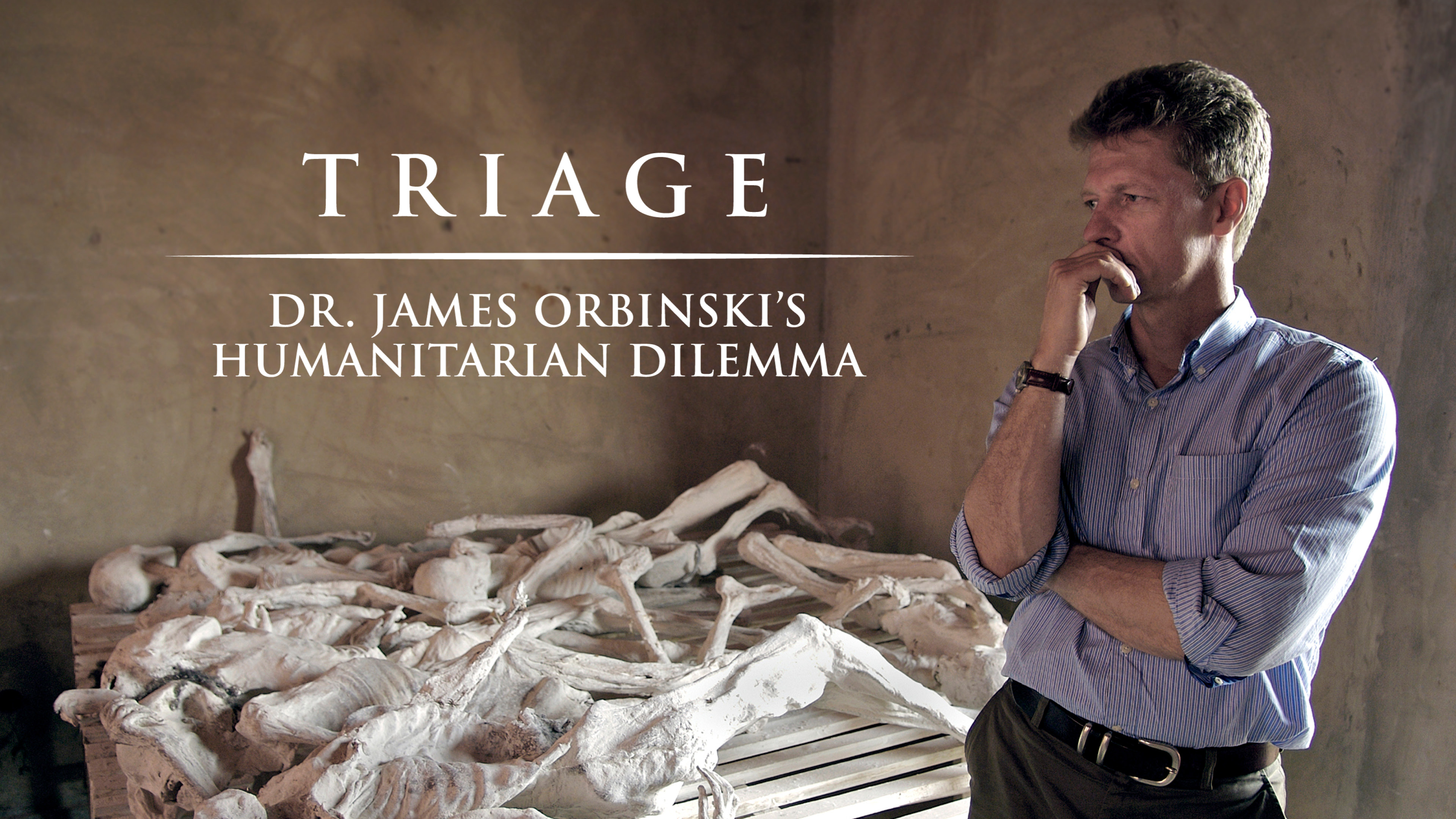
Image représentant la ressource: Triage : Dr. James Orbinski's Humanitarian Dilemma

Triage : Dr. James Orbinski's Humanitarian Dilemma

The act of triage is the ultimate humanitarian nightmare. Racing against time with limited resources, relief workers make split-second decisions: who gets treatment; who gets food; who lives; who dies. This impossible dilemma understandably haunts humanitarians like Dr. James Orbinski, who accepted the 1999 Nobel Peace Prize on behalf of Médecins Sans Frontières (MSF) as their President, and was a field doctor during the Somali famine, the Rwandan genocide, among other catastrophes. Having seen the best and worst of humanitarian assistance and of humanity itself, Orbinski embarks on his most difficult mission to date - writing a deeply personal and controversial book that struggles to make sense of it all. Leaving his young family behind in Toronto, Canada - where he's a university professor and doctor - Orbinski returns to Africa, revisiting the past and engaging with the present. He hopes that here, in the place where he witnessed humanity literally torn apart, he can rediscover the true heart of humanitarianism. In Triage, a feature-length documentary, Orbinski travels to war-torn Somalia, the first place he was posted with MSF in 1992; then to Rwanda, where he was MSF Head of Mission during the 1994 genocide. Finally he goes to Goma, Democratic Republic of Congo, where it seems humanitarian dreams go to die. Filmed in an intense vérité style, Triage: Dr. James Orbinski's Humanitarian Dilemma presents a unique view of the world through the penetrating eyes of Orbinski. He refuses to turn away when confronting troubling memories or realizing disturbing truths and, in the most unlikely of places, he finds where bonds of solidarity are forged, and human spirits somehow remain unbroken. Orbinski - a father, a doctor, a humanitarian - has seen lives saved and lives lost and has personally witnessed a world gone astray. In Triage: Dr. James Orbinski's Humanitarian Dilemma, he searches for a new path and invites the viewer to follow. Triage: Dr. James Orbinski's Humanitarian Dilemma is an 88-minute feature film by the creative team behind the award-winning documentary Shake Hands with the Devil: The Journey of Roméo Dallaire.

Années scolaires : 4e secondaire | 5e secondaire