Hard Light

Collaborateurs : Clarke, Annette | Din, Ravida | Martin, Kent | Simms, Justin | Office national du film du Canada

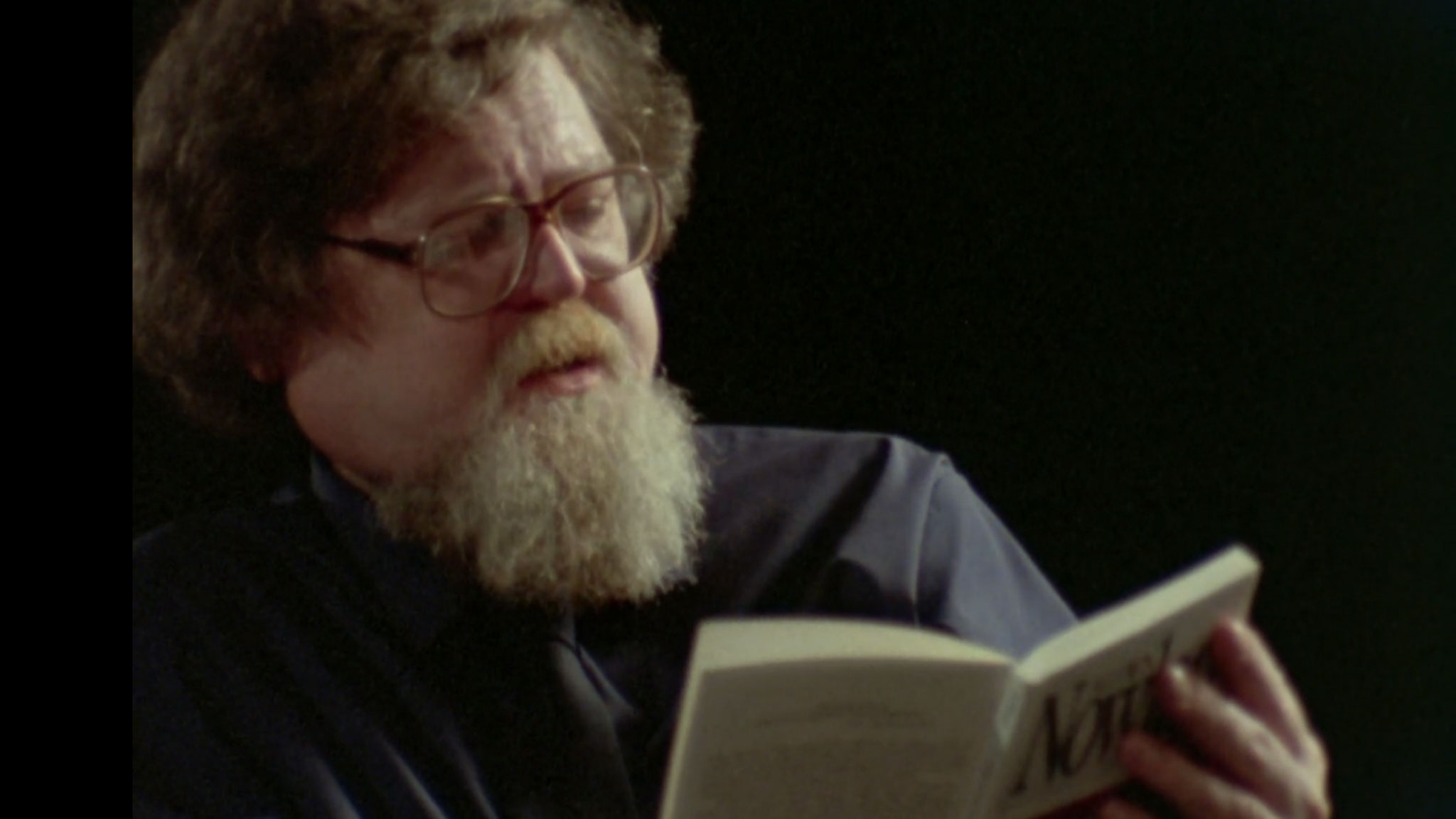
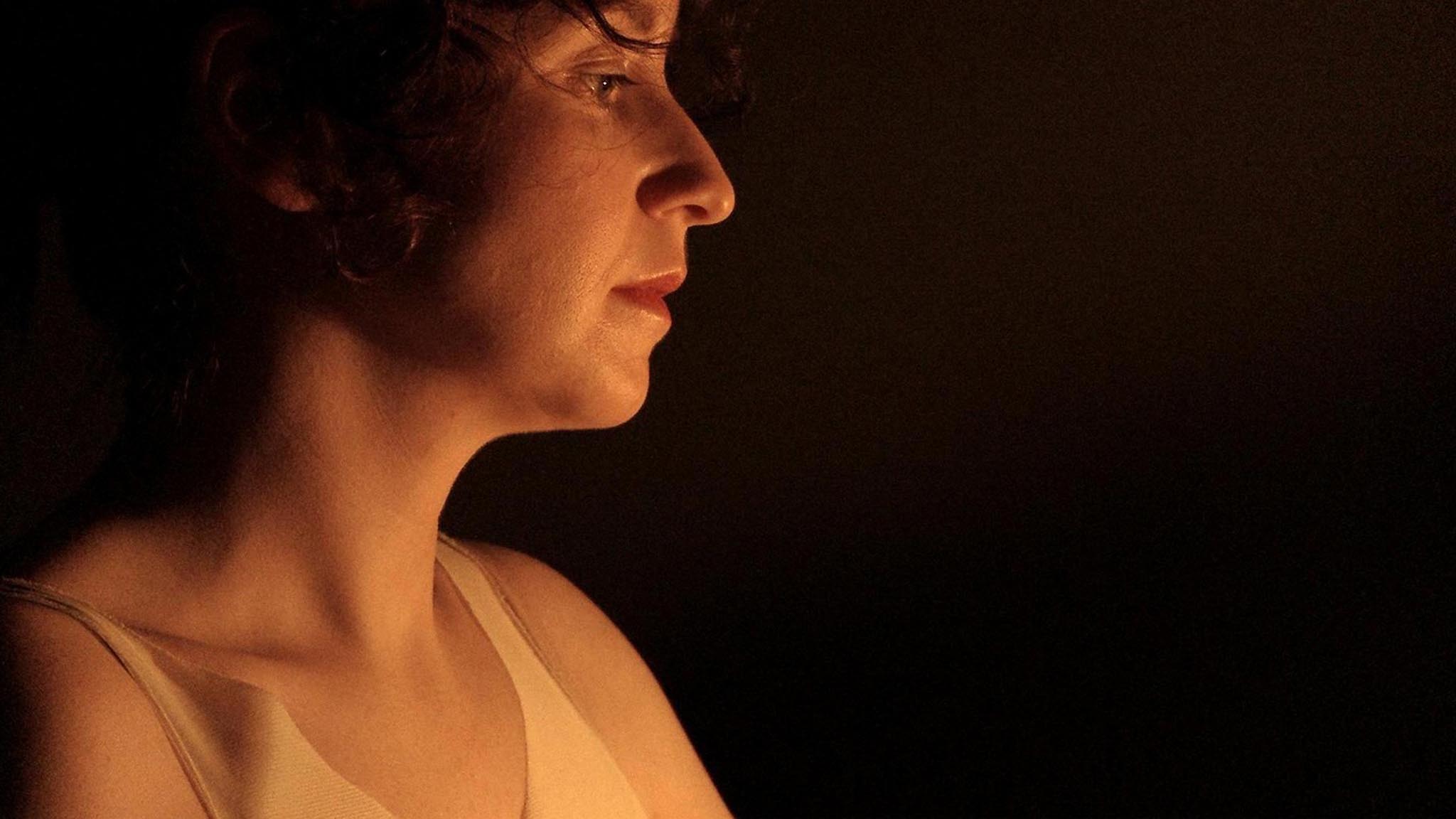
In Hard Light, filmmaker Justin Simms uses Michael Crummey's seminal piece of Newfoundland literature as a lens to examine cultural change and modern relationships. At its most basic level, the film serves as a portrait of Newfoundland and its people. As in Crummey's collection of poems and stories, there is a decisive theme of the artist investigating his ancestors to discover himself. Hard Light also questions the function of art in human understanding: the power of storytelling to, as Crummey says in an interview near the end of the film, "pin something long enough, to make it hold still long enough for us to be able to see it for what it is." Crummey's stories are dramatized in atmospheric, carefully composed black-and-white sequences overlaid with voiceover readings from the works themselves, read by Simms. Character is built through an accumulation of detail. The dramatizations are broken up by Crummey's own ruminations in conversation with Simms. The writer's childhood memories tell us where the spirit of the stories, and in some cases their subjects, came from; his thoughts on the process of creating the book tell us why they matter. A beautiful cinematic blending of old and new, Hard Light is a timely reflection on compassion and the art of living.

Années scolaires
Formation générale des adultes
Adultes 1er cycle | Adultes 2e cycle
Secondaire
1re secondaire | 2e secondaire | 3e secondaire | 4e secondaire | 5e secondaire
Résultats de la recherche

Découvrir des ressources similaires

Image représentant la ressource: Race Is a Four-Letter Word

Race Is a Four-Letter Word

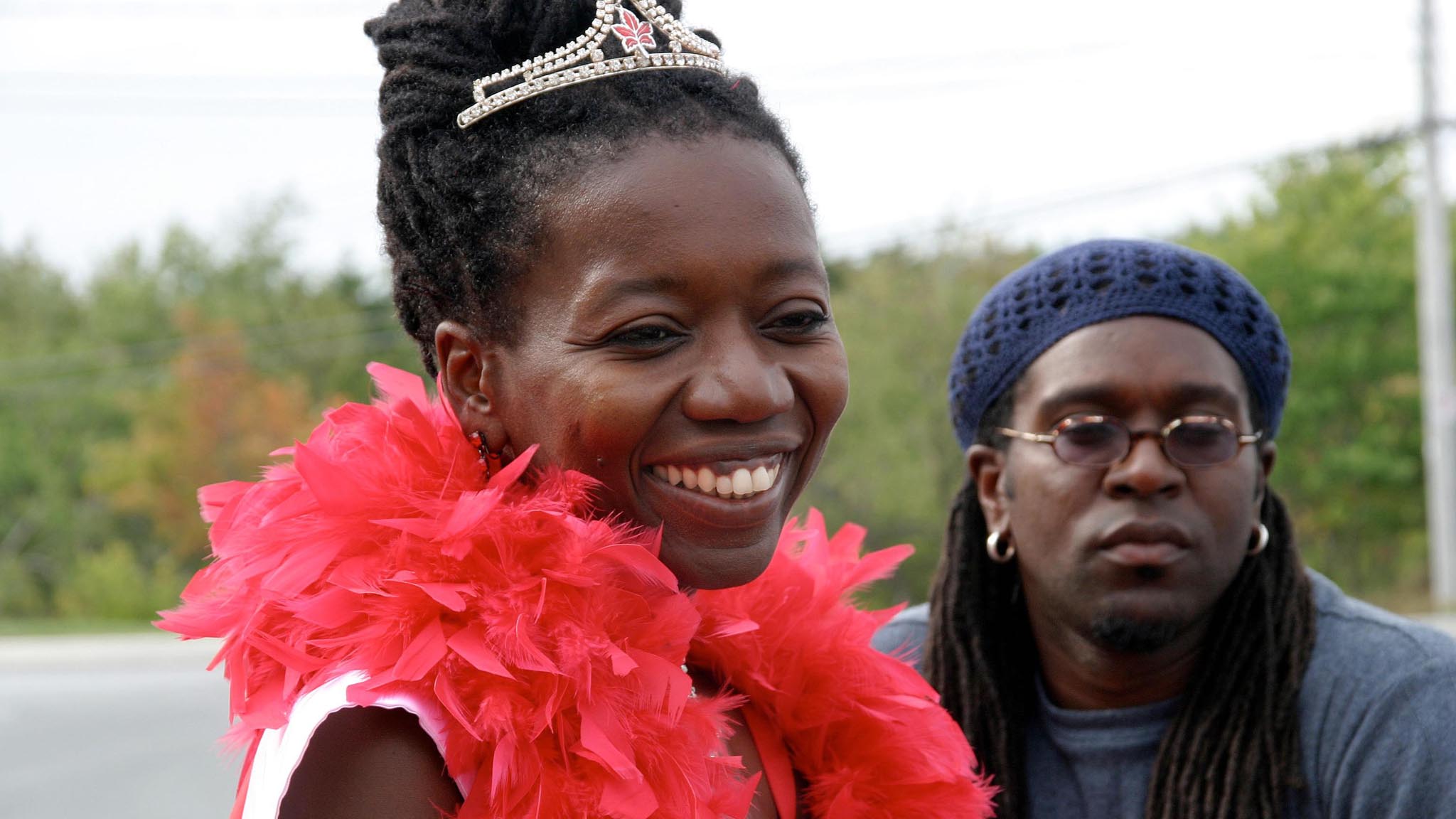
Speaking biologically, 'race' is a spectral concept. Black, brown, red, white, and yellow, considered purely as skin colours, merit no more significance than a tattoo. The 'skin your're in' is about as meaningful as ectoplasm. Scientists remind us that not only are we all essentially the same, but we all have the same genetic ancestor. Eve was a black, African woman. Nevertheless, history and politics, sociology and economics, transform skin colour - 'race' - into either a golden sheathe or a leaden prison of shame. In Europe and North America, blackness can still seem a burden. It can still brand its possessors as uncivilized, exotic, and menacing. But it can also be prized, lusted after and viewed as a precious enhancement, like gold foil. In Race Is a Four-Letter Word, director Sobaz Benjamin highlights Canadian contradictions and conflicts around race. Heroically, he exposes himself, too: a black man who grew up hating himself, trying to bleach his skin with chemicals, and then struggling to appreciate the meaning of his culture and heritage as an 'Afro-Saxon' Briton, then Grenadian and now Haligonian-Nova Scotian-Canadian. Courageously, Benjamin strips away the masks and armour of race, of blackness and whiteness, to reveal the vulnerable and human, including that very sex that inspires so much primal envy and dread. This brave film forces us to unmask and to look unflinchingly at our real selves. Sobaz Benjamin showcases the stories of a white man who is culturally and psychologically black; of a black woman who wants to be considered iconically Canadian; of another black woman who retreats to England rather than continue to face Canada's racial cold war; and of himself, a black man who has learned to love his complexity. In the end, Race Is a Four-Letter Word teaches us that the soul has no colour. Yet, we also learn that race is a marathon we are all forced to run. Race Is a Four-Letter Word was produced as part of the Reel Diversity Competition for emerging filmmakers of colour. Reel Diversity is a National Film Board of Canada initiative in partnership with CBC Newsworld.

Années scolaires : 3e secondaire | 4e secondaire | 5e secondaire