Becoming Labrador

Collaborateurs : Clarke, Annette | Davis, Kelly | Fernando, Rohan | Segura, Tamara | Simms, Justin | Office national du film du Canada

In the stark Labrador interior, a growing number of Filipino workers have recently landed in Happy Valley-Goose Bay, travelling halfway around the world for jobs they hope will offer their families new opportunities and a better life. Becoming Labrador follows a handful of those women and men as they make a place for themselves in Labrador while dealing with the unexpected costs of living far from their family.

Années scolaires
Formation générale des adultes
Adultes 1er cycle | Adultes 2e cycle
Secondaire
1re secondaire | 2e secondaire | 3e secondaire | 4e secondaire | 5e secondaire
Résultats de la recherche

Découvrir des ressources similaires

Image représentant la ressource: Hebron Relocation

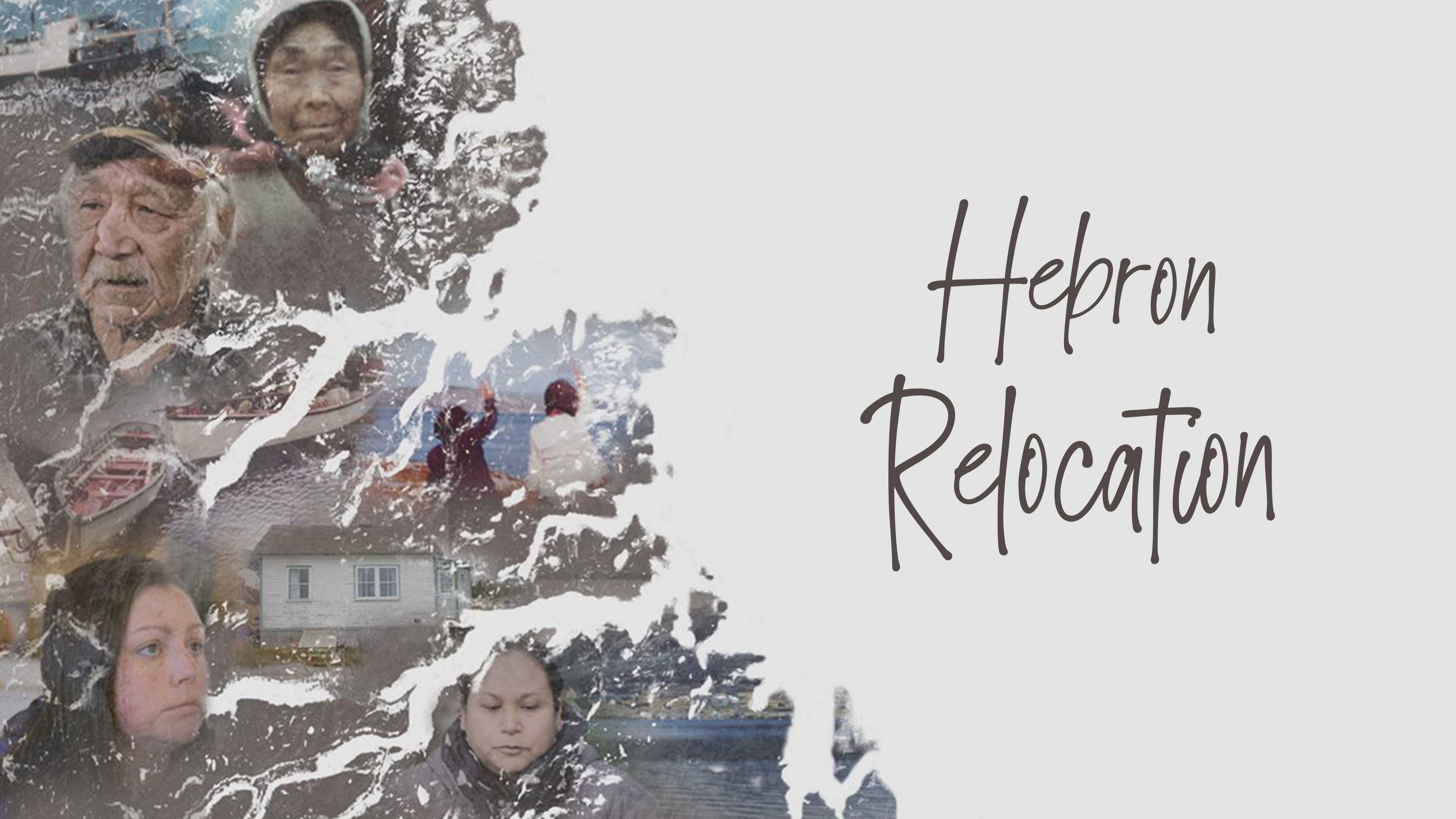
Hebron Relocation

Filmmaker Holly Andersen of Makkovik, Nunatsiavut, always knew that the house she lives in carries within its frame the echoes of the forced displacement of northern Labrador Inuit. In Hebron Relocation, Andersen explores what makes a place a home as she speaks with community members about how the relocation impacted generations of Labrador Inuit. Located in an area of Makkovik still known as Hebron End, Andersen's house was one of many homes across Labrador communities that were hastily built for incoming northern Inuit relocatees. The few houses that remain are reminders of how the relocations reshaped not just Makkovik, but many communities in Nunatsiavut. Realizing she did not know the whole story behind the relocations, Andersen felt compelled to learn more about her community's connection. In 1959, residents of the northern Labrador Inuit community of Hebron were told that, without question, they would be divided up and relocated to more southerly communities across the region. Community members travelled south by boat for hundreds of kilometres to their new homes, including the community of Makkovik. Most families were not prepared for such a drastic change. They left everything they knew behind, and integrating into new communities was not always easy. Even though these families were relocated generations ago, many still consider themselves to be living far from home. Growing up, Andersen knew of the relocations, with some of her friends and neighbours being descendants of the relocatees, but she did not realize the extent to which Inuit in Nunatsiavut were still feeling the impacts of their displacement. Through touching conversations with community members, Andersen guides us with care as she learns about their stories of relocation and reflects on what it has meant for their families. By weaving together intimate stories from her community with rare footage that gives us a glimpse of community life during this upheaval, Andersen provides a heartfelt look at a difficult past that has changed the lives of Labrador Inuit forever.

Années scolaires : 3e secondaire | 4e secondaire | 5e secondaire
Image représentant la ressource: Hebron Relocation

Hebron Relocation

Filmmaker Holly Andersen of Makkovik, Nunatsiavut, always knew that the house she lives in carries within its frame the echoes of the forced displacement of northern Labrador Inuit. In Hebron Relocation, Andersen explores what makes a place a home as she speaks with community members about how the relocation impacted generations of Labrador Inuit. Located in an area of Makkovik still known as Hebron End, Andersen's house was one of many homes across Labrador communities that were hastily built for incoming northern Inuit relocatees. The few houses that remain are reminders of how the relocations reshaped not just Makkovik, but many communities in Nunatsiavut. Realizing she did not know the whole story behind the relocations, Andersen felt compelled to learn more about her community's connection. In 1959, residents of the northern Labrador Inuit community of Hebron were told that, without question, they would be divided up and relocated to more southerly communities across the region. Community members travelled south by boat for hundreds of kilometres to their new homes, including the community of Makkovik. Most families were not prepared for such a drastic change. They left everything they knew behind, and integrating into new communities was not always easy. Even though these families were relocated generations ago, many still consider themselves to be living far from home. Growing up, Andersen knew of the relocations, with some of her friends and neighbours being descendants of the relocatees, but she did not realize the extent to which Inuit in Nunatsiavut were still feeling the impacts of their displacement. Through touching conversations with community members, Andersen guides us with care as she learns about their stories of relocation and reflects on what it has meant for their families. By weaving together intimate stories from her community with rare footage that gives us a glimpse of community life during this upheaval, Andersen provides a heartfelt look at a difficult past that has changed the lives of Labrador Inuit forever.

Années scolaires : 3e secondaire | 4e secondaire | 5e secondaire