China 2000 BC - Unearthing the Truth Behind a Myth : The Xia Dynasty

Collaborators : Abe, Nobuhide | Aizawa, Takayoshi | Kondou, Fumito | Longul, Wally | Urabayashi, Ryota | Watanabe, Yoshihiro | Gedeon Programmes (Saint-Quen) | NHK (Tokyo) | Office national du film du Canada

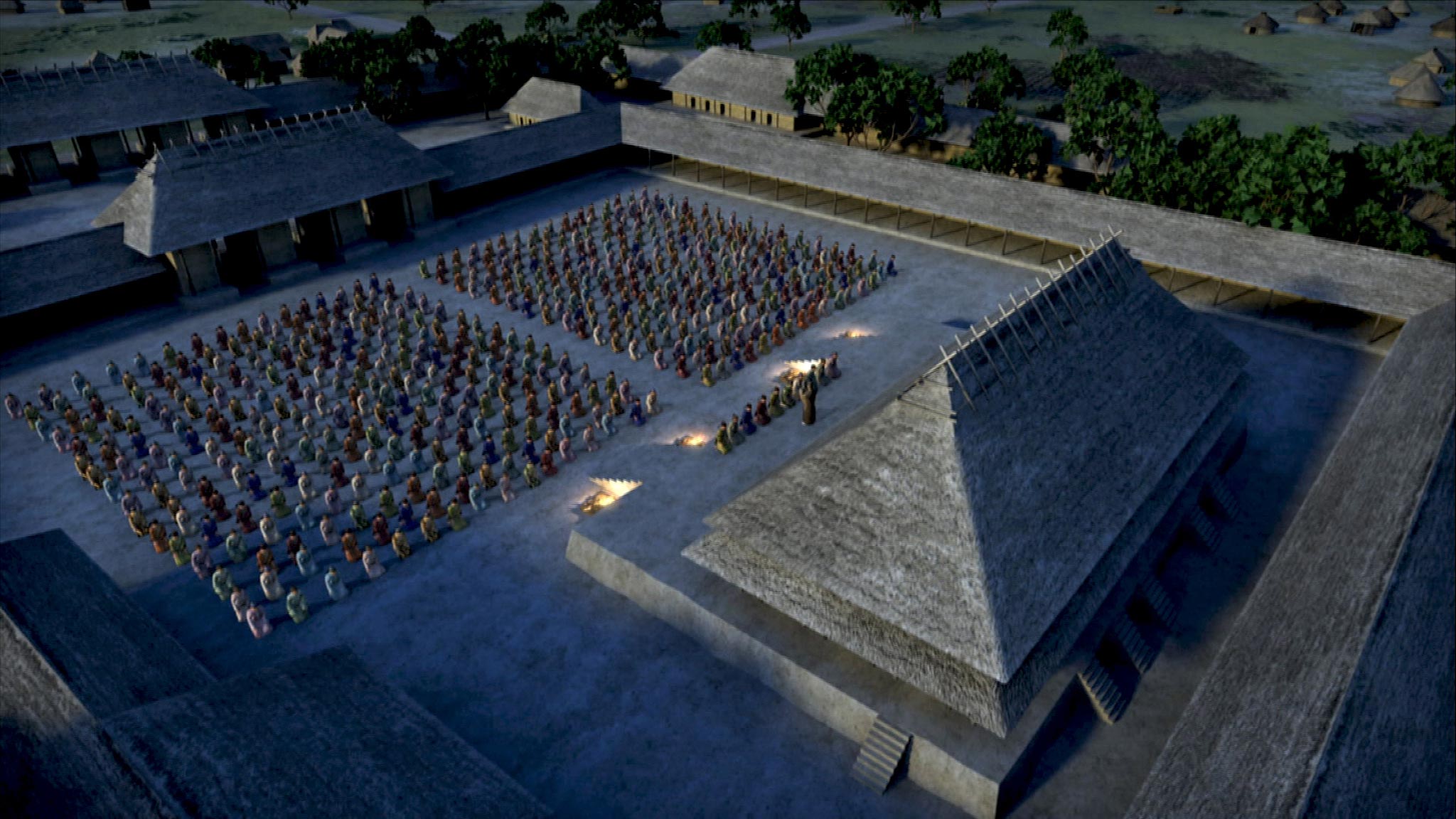
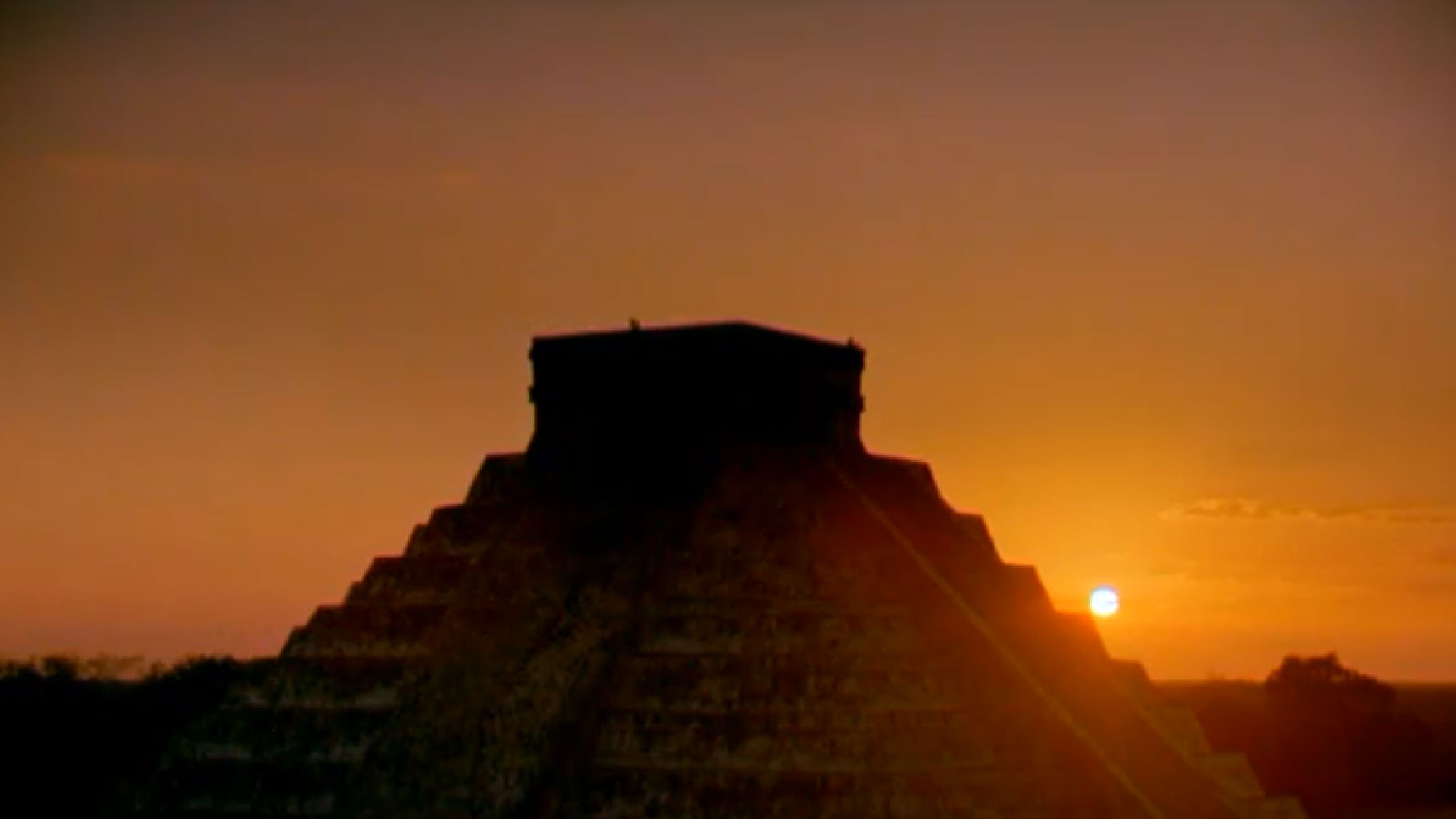
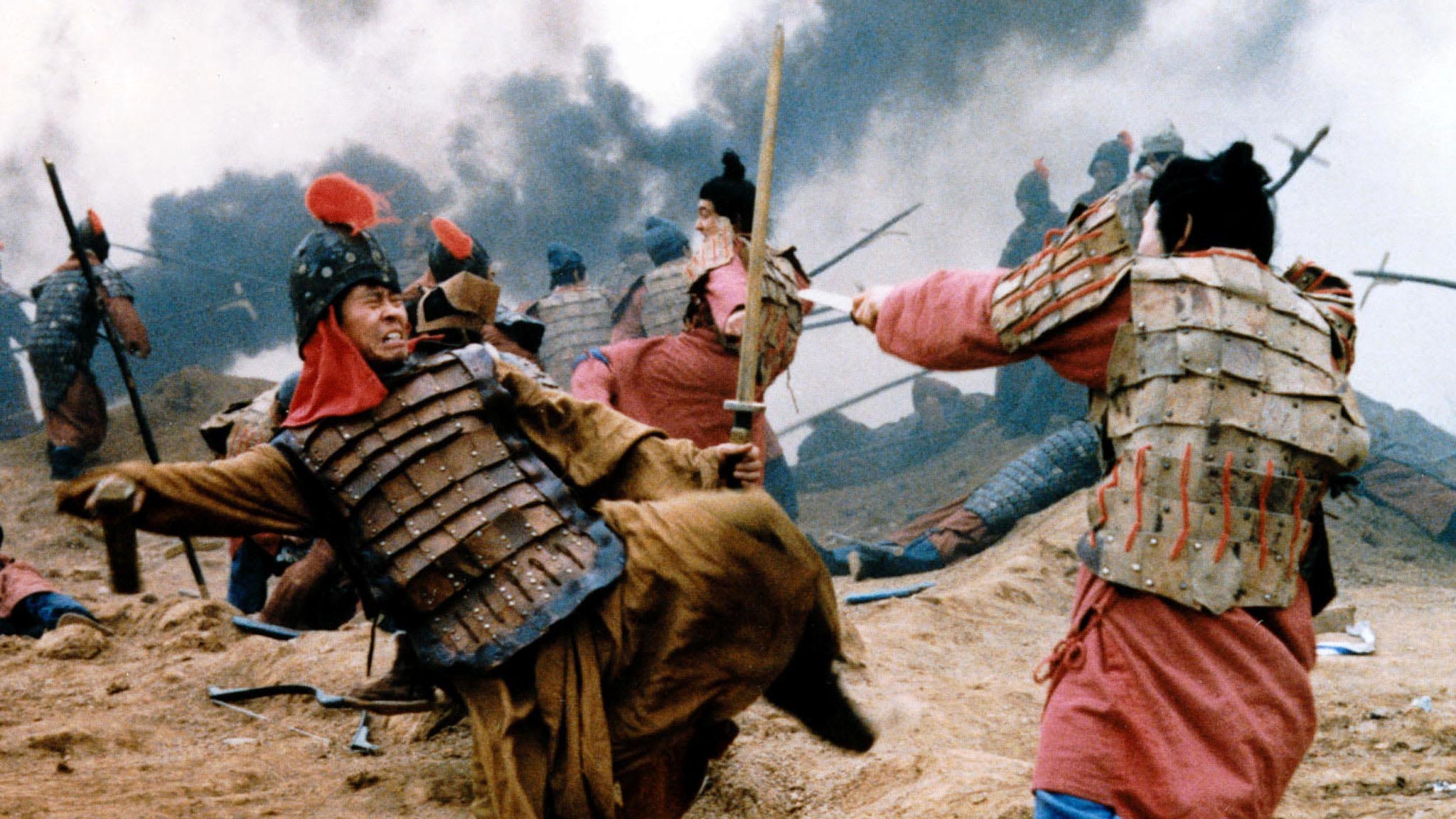
The nation of China is more than 4000 years old, and recent discoveries are shedding new light on its origins. In our common knowledge China’s earliest dynasty that was proven to exist was the Shang that was founded in about 1600 B.C. However, joint research by Chinese and Japanese archeologists is uncovering evidence of an even earlier dynasty, existence of which has long been considered just a myth as if Troy in China. It was the Xia, the first dynasty established by Yu the Great, who is said to have saved many people’s life from violent floods through his diligent flood prevention works. In the past decades there have been archaeological digs across the country, yielding many astounding findings. They indicate that in this ancient period, many nations were springing up throughout China, each with its own languages and customs. Archaeological facts also show that many of colonies that thrived along the Yellow River declined through repeated flooding events. Among them one who survived disasters with their unique wisdom would rise to become China’s earliest dynasty. They introduced palace rituals to bind many tribes, and the tradition gave the prototype of all Chinese dynasties through the ages, further having a vast cultural influence on Asian nations. The episode explores how the first chaos was followed by a dramatic development of the first dynasty and what would create the base of a great civilization.

Grade levels
Formation générale des adultes
Adultes 1er cycle | Adultes 2e cycle
Secondaire
4e secondaire | 5e secondaire

Discover similar resources

Image représentant la ressource: China 2000 BC - The Rise and Fall of Dynasties in Ancient China

China 2000 BC - The Rise and Fall of Dynasties in Ancient China

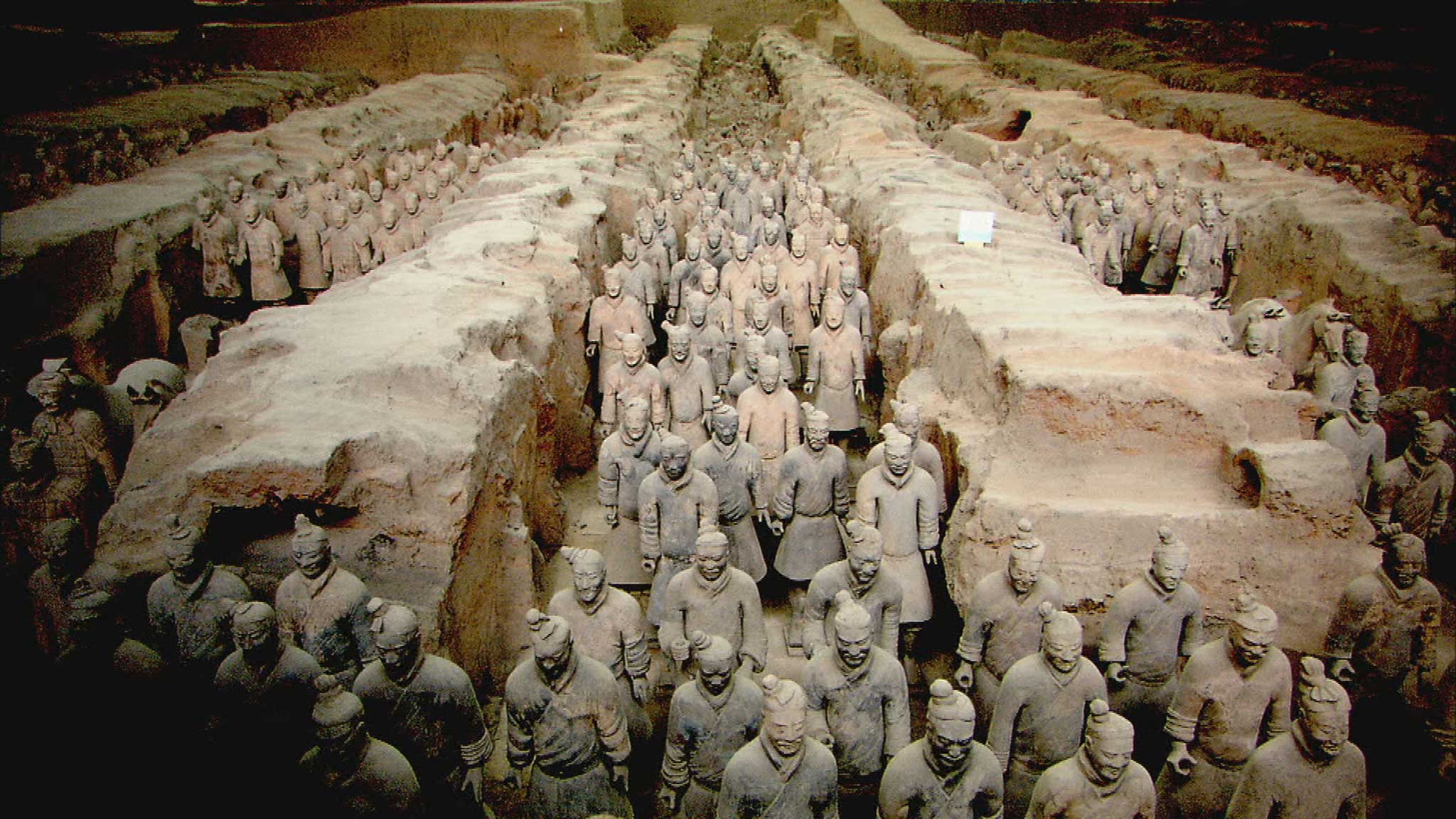
China has many different peoples with widely different cultural backgrounds. In fact its populace is comprised of 56 ethnic groups. Why could these peoples have united as One China? The key to this miracle was the Idea of Zhong-hua, what is often translated as Sinocentrism. The program explores how this idea was forged in ancient China and finally utilized by the First Emperor of Qin to bind many different people under one flag. Many years of civil strife came to end in 221 BC with the first unification of China by the First Emperor. New discoveries are making clearer his extraordinary ambition towards the supreme power, which gave China the last impetus to its unification. His famous terracotta warriors, a symbol of his power were proven to have originally been brightly colored. And these colors provide important clues to the First Emperor's firm determination to place himself at the center of China. In fact, Qing was one of remote tribes who were disdained as barbarians by the states in the Central Plains. Qing gained power through drastic military and political reforms and went on conquering other tribes, but they met tenacious rejections from the people in the conquered states. To conciliate them, the Qing started to claim that they were the Xia. By calling themselves the successor to the Xia they tried to legitimize their rule over China. The First Emperor, however, did not content with the earthly power. Archaeologists took clues from items and remnants excavated from Qin's old capital to prove what grandiose plan he introduced in construction of his capital city. What the First Emperor desired to build was in fact a Celestial Empire. The latest archeological evidence shed new light on the last step to the unified China, the foundations that made China, and Asia, what it is today.

Grade levels : Adultes 1er cycle | Adultes 2e cycle | 4e secondaire | 5e secondaire