Log in with Mozaik
 Log in with Pluriportail
 Log in with COBA Pédagogie

The Sacred Sundance : The Transfer of a Ceremony
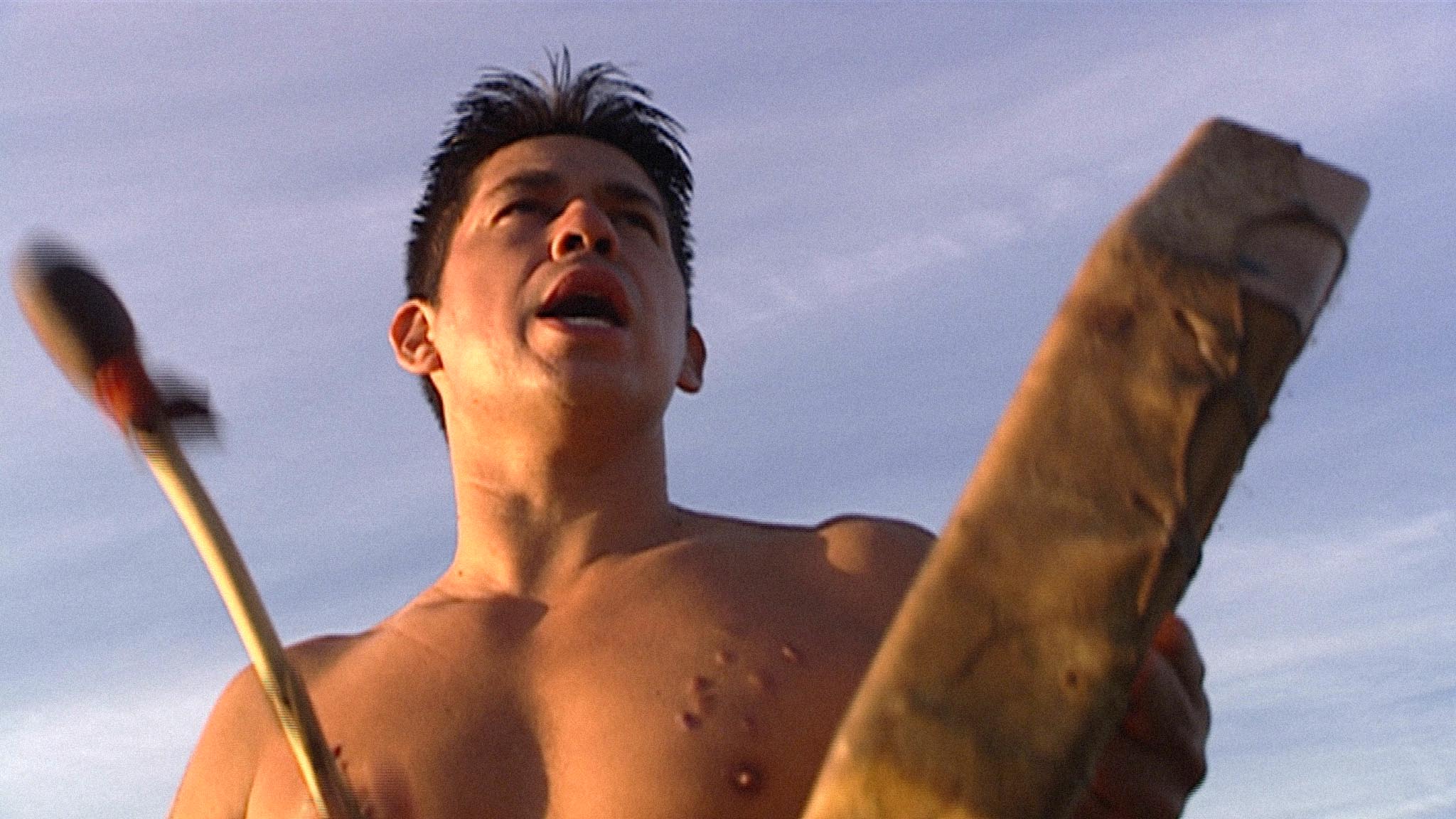
Under a sweltering July sky, participants in the sacred Sundance ceremony go four days without food or water. At the end of the gruelling experience they will pierce the flesh of their chests in an offering to the Creator. The Sundance is a ritual long misunderstood, and once banned – but one that is now helping to bring personal and social healing to East Coast Indigenous communities. With The Sacred Sundance, Mi’kmaq director Brian J. Francis journeys into the traditions of North American Indigenous spirituality. The Sundance is new to the Mi’kmaq people of Eastern Canada, brought to them from the West by elder William Nevin of the Elsipogtog First Nation. This event marks a unique transmission of traditional culture from one First Nation to another. Nevin first dances for two of his children who were critically ill, and later to help heal his fractured community. Another man becomes involved in an effort to leave behind a life of alcohol and criminal activity, and to become a role model for his young family. A woman takes part in order to understand her identity and affirm her role as a North American Indigenous woman. For all of them, the Sundance is a link to the great warrior traditions of the past. The Sundance itself cannot be filmed, but through the preparations for the ceremony, and through the words of its participants, we are left with a deep understanding of the healing power it has brought to communities who did not traditionally practice it. The film offers a model for Indigenous people reclaiming their heritage and embracing traditions – and with them, hope for the future.
 Back
Back