Second Stories - Deb-we-win Ge-ken-am-aan, Our Place in the Circle

Collaborators : MacDonald, Joe | Mazur, Derek | Olson, Lorne | Office national du film du Canada

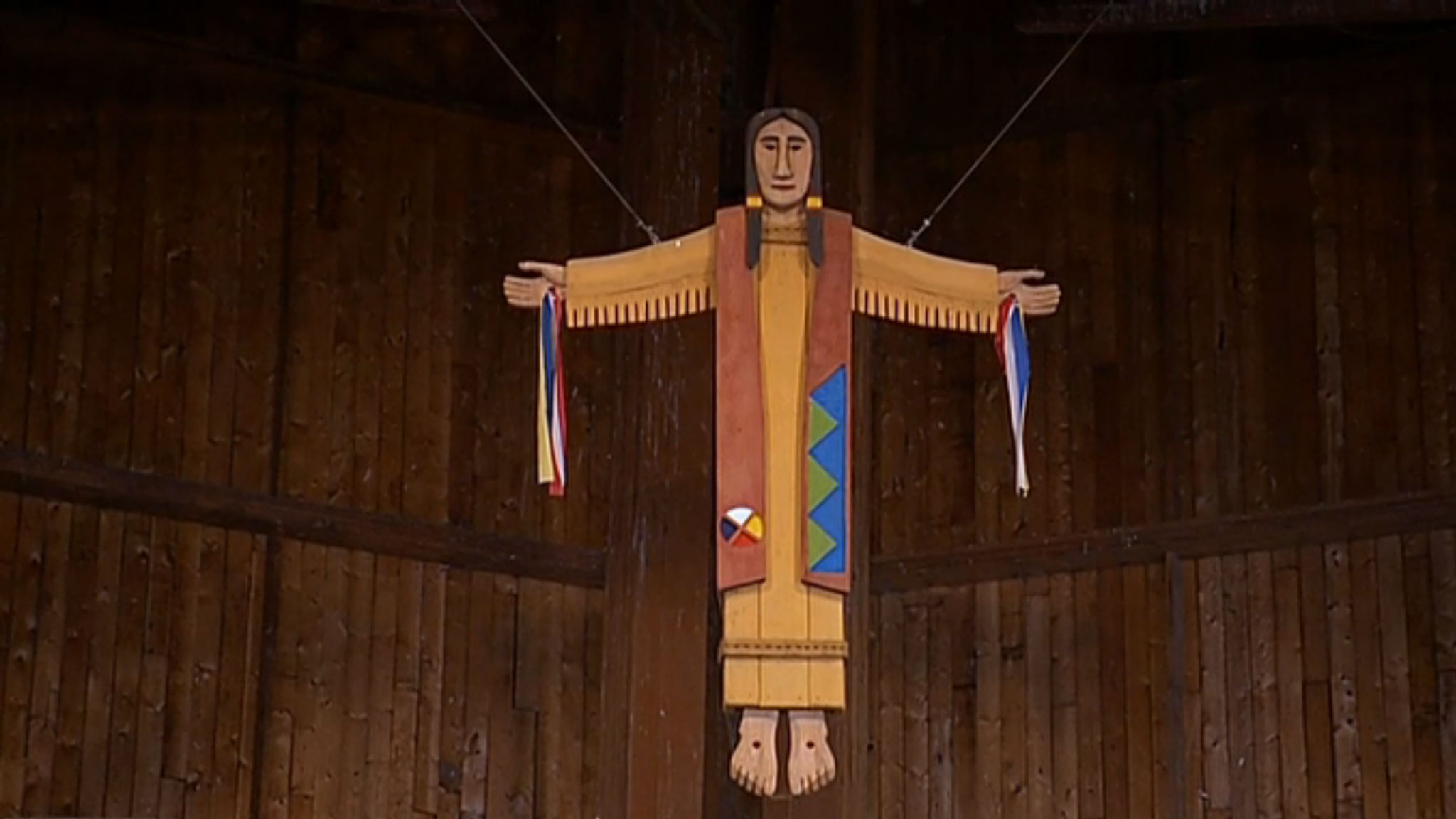
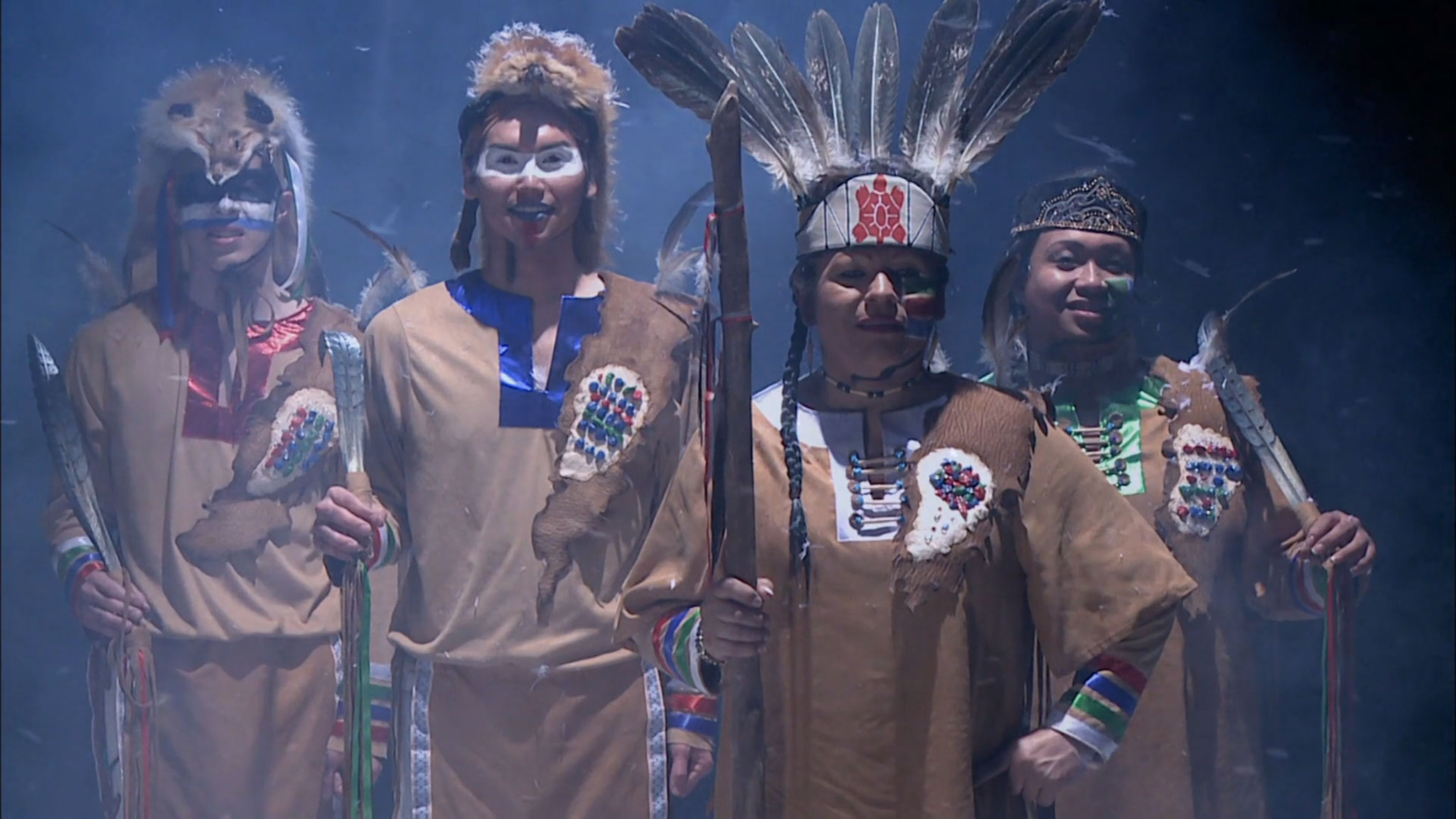
Second Stories follows on the heels of the enormously successful First Stories project, which produced three separate collections of short films from Manitoba, Saskatchewan and Alberta. First Stories films have gone on to win many awards, both collectively and individually, in national and international festivals and competitions. Second Stories builds on that success by providing a continuum of training for three of the twelve Indigenous filmmakers who delivered such compelling documentary shorts. Through this unique mentoring and training process, Second Stories filmmakers have a chance to hone their storytelling craft (in a professional production experience), while working with a strong creative team to assist in the realization of their half-hour documentaries. Each of the filmmakers selected were assigned a story consultant/story editor and an NFB producer. As was the case with First Stories, the emphasis is on enabling Indigenous filmmakers to tell the stories that are important to them and their communities. The partners in this special initiative are CBC, APTN, SCN, SaskFilm and MANITOBA FILM & SOUND. Deb-we-win Ge-kend-am-aan, Our Place in the Circle Filmmaker Lorne Olson had a vision of two-spirited people dancing, smiling, laughing; they were moving without shame, at peace with themselves and their place in the world. Two-spirited people are comprised of a male and female spirit. Historically, they were venerated for their gifts, but such respect isn't necessarily the case today. Lorne's vision sparks him to rediscover the strength of the past to better face the challenges of today. This funny and buoyant film documents his touching journey.

Grade levels
Formation générale des adultes
Adultes 1er cycle | Adultes 2e cycle
Secondaire
3e secondaire | 4e secondaire | 5e secondaire

Discover similar resources

Image représentant la ressource: Second Stories - It Had to Be Done

Second Stories - It Had to Be Done

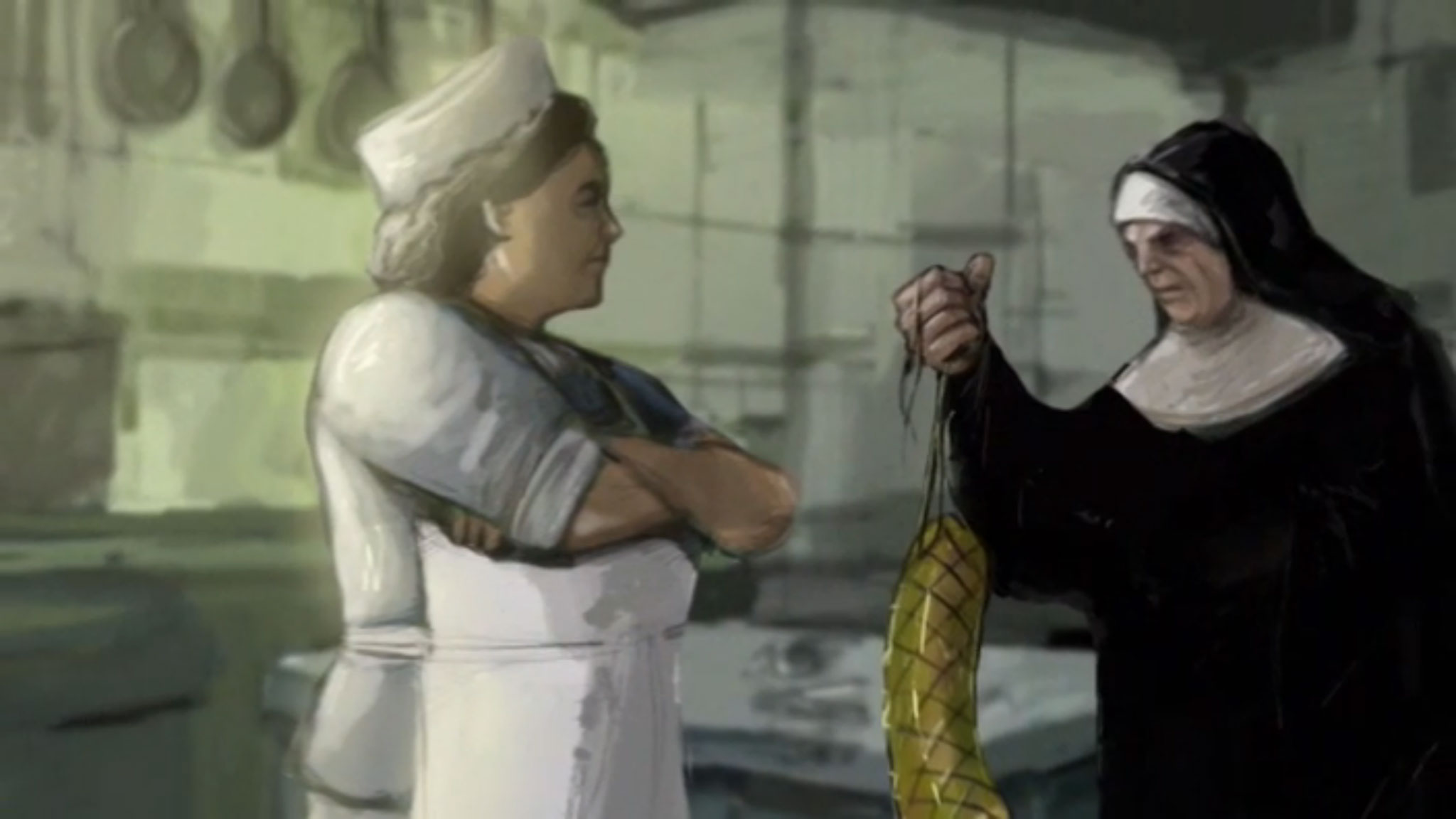
Second Stories follows on the heels of the enormously successful First Stories project, which produced three separate collections of short films from Manitoba, Saskatchewan and Alberta. First Stories films have gone on to win many awards, both collectively and individually, in national and international festivals and competitions. Second Stories builds on that success by providing a continuum of training for three of the twelve Indigenous filmmakers who delivered such compelling documentary shorts. Through this unique mentoring and training process, Second Stories filmmakers have a chance to hone their storytelling craft (in a professional production experience), while working with a strong creative team to assist in the realization of their half-hour documentaries. Each of the filmmakers selected were assigned a story consultant/story editor and an NFB producer. As was the case with First Stories, the emphasis is on enabling Indigenous filmmakers to tell the stories that are important to them and their communities. The partners in this special initiative are CBC, APTN, SCN, SaskFilm and MANITOBA FILM & SOUND. The Settlement It Had To Be Done explores the legacy of residential schools through the eyes of two extraordinary women who not only lived it firsthand, but who, as adults, made the surprising choice to return to the school that had affected their lives so profoundly. This intimate and moving film affirms their strength and dignity in standing up and making a difference on their own terms.

Grade levels : Adultes 1er cycle | Adultes 2e cycle | 4e secondaire | 5e secondaire
Image représentant la ressource: Second Stories - Honour Thy Father

Second Stories - Honour Thy Father

Second Stories follows on the heels of the enormously successful First Stories project, which produced three separate collections of short films from Manitoba, Saskatchewan and Alberta. First Stories films have gone on to win many awards, both collectively and individually, in national and international festivals and competitions. Second Stories builds on that success by providing a continuum of training for three of the twelve Indigenous filmmakers who delivered such compelling documentary shorts. Through this unique mentoring and training process, Second Stories filmmakers have a chance to hone their storytelling craft (in a professional production experience), while working with a strong creative team to assist in the realization of their half-hour documentaries. Each of the filmmakers selected were assigned a story consultant/story editor and an NFB producer. As was the case with First Stories, the emphasis is on enabling Indigenous filmmakers to tell the stories that are important to them and their communities. The partners in this special initiative are CBC, APTN, SCN, SaskFilm and MANITOBA FILM & SOUND. Honour Thy Father Honour Thy Father is a poignant look at cultural misunderstanding and its toll on a family's grief. The loss of his father was a devastating blow for filmmaker Gerald Auger. The local Anglican priest refused to allow the family to bury their father in the traditional Cree way - with the drum and the smudge - because he was buried on Anglican church property. Gerald sets out to resolve his hurt and anger by seeking official church approval to honour his father traditionally; his path leads him to some unexpected places.

Grade levels : Adultes 1er cycle | Adultes 2e cycle | 4e secondaire | 5e secondaire
Image représentant la ressource: Unarchived

Unarchived

"The past is never dead. It's not even past." - William Faulkner In the new feature documentary Unarchived, co-directors Hayley Gray and Elad Tzadok highlight community archives across British Columbia to reveal some of what has been erased from the official record. The people and places left out of traditional archives and museums are often determined by the dominant power, but as UBC's Dr. Henry Yu states, "the process of silencing makes a lot of noise." Local knowledge keepers are undoing these omissions and hand-fashioning a more inclusive history through family photos, newspaper articles and scratchy old VHS tapes. Ron Dutton started the BC Gay and Lesbian Archive by collecting protest pamphlets, posters and even cabaret sets from the earliest days of Vancouver's gay community. In the tiny mill town of Paldi, on Vancouver Island, a remarkable intercultural community was captured on Super 8 and 16-millimetre film by the founders and their families. On the landscape, anthropologist Dr. Imogene Lim points out how plants serve as reminders of Asian communities long gone. These different archives tell stories of people building connection through work, play, protest, family and tradition. In so doing, they challenge larger institutions to re-examine and address older narratives that no longer reflect the totality of our shared experience. At the Trans Archive at the University of Victoria, a hidden past is documented and preserved. At the Royal BC Museum, staff work tirelessly to right historical wrongs and find a new path towards restorative justice for Indigenous people. Through a collage of personal interviews, archival images and footage, and deeply rooted memories, the past, present and future come together, fighting for a space where everyone is seen and everyone belong. History is what we all make of it.

Grade levels : 3e secondaire | 4e secondaire | 5e secondaire