Nollywood Babylon

Collaborators : Addelman, Ben | Din, Ravida | Jean, Marcel | Mallal, Samir | Marion-Gauvin, Galilé | Symansky, Adam | AM Pictures (Montreal) | Office national du film du Canada

Nollywood Babylon is a feature documentary about the explosive popularity of Nigeria's movie industry. The film drops viewers into the chaos of Lagos' Idumota market. Here, among the bustling stalls, films are sold and unlikely stars are born. Unfazed by low budgets, enterprising filmmakers create a brash, inventive and wildly popular form of B-Movie that has Nigerians Nollywood-obsessed. In these films, voodoo and magic infuse urban stories, reflecting the collision of traditional mysticism and modern culture that Nigerians experience every day. Ben Addelman and Samir Mallal, present an electric vision of a modern African metropolis and a revealing look at the powerhouse that is Nigerian cinema.


Grade levels
Secondaire
4e secondaire | 5e secondaire

Discover similar resources

Image représentant la ressource: Nollywood Babylon

Nollywood Babylon

L'industrie cinématographique du Nigeria, Nollywood, est la troisième en importance au monde et cette implacable force économique et culturelle qui a balayé le continent telle une tempête déborde à présent les frontières de l'Afrique. Le cinéma de Nollywood est né dans les marchés des rues de Lagos, principale métropole du Nigeria. Imperturbables devant les maigres recettes et les budgets plus que modestes, les cinéastes entrepreneurs ont créé un cinéma audacieux, inventif et follement populaire qui a fait de Nollywood l'obsession des Nigérians. Dans ces films, le vaudou et la magie s'amalgament aux récits urbains, illustrant la friction cinétique du mysticisme traditionnel et de la culture moderne dont les Nigérians sont quotidiennement témoins. Le long métrage documentaire Nollywood Babylon relate l'histoire du succès phénoménal de l'industrie cinématographique du Nigeria. Porté par une piste sonore tonitruante de musique africaine underground des années 1970, le film plonge le spectateur au beau milieu du chaos du marché Idumota. Ici, parmi les éventaires bruyants, des films sont vendus et d'improbables vedettes voient le jour, comme Aki et Pawpaw, un duo de comédiens des plus célèbres au Nigeria, rois des rues dont la petite taille est inversement proportionnelle aux gigantesques cotes d'écoute qu'ils obtiennent. Et que dire d'Helen Ukpabio, ancienne membre du culte qui compte aujourd'hui parmi les producteurs les plus réputés du Nigeria et dont les films « d'horreur vaudou » ont attiré une multitude de convertis dans son influente secte chrétienne! Au cœur du film, le cinéaste le plus populaire de Nollywood, Lancelot Oduwa Imasuen, alias « The Guv'nor ». Lancelot, qui à 36 ans a déjà réalisé plus de 150 films, est le maître de la production inspirée tournée à une vitesse folle et imprégnée du flair de la création. Déterminé à « faire de l'argent et à exposer ses positions », il innove véritablement et incarne l'âme du cinéma de Nollywood. Ben Addelman et Samir Mallal, les cinéastes auxquels on doit Discordia (2004) et Bombay Calling (2006), présentent Nollywood Babylon, une vision électrisante d'une métropole africaine moderne, et portent un regard éloquent sur la formidable puissance qu'est le cinéma nigérian.

Grade levels : 4e secondaire | 5e secondaire
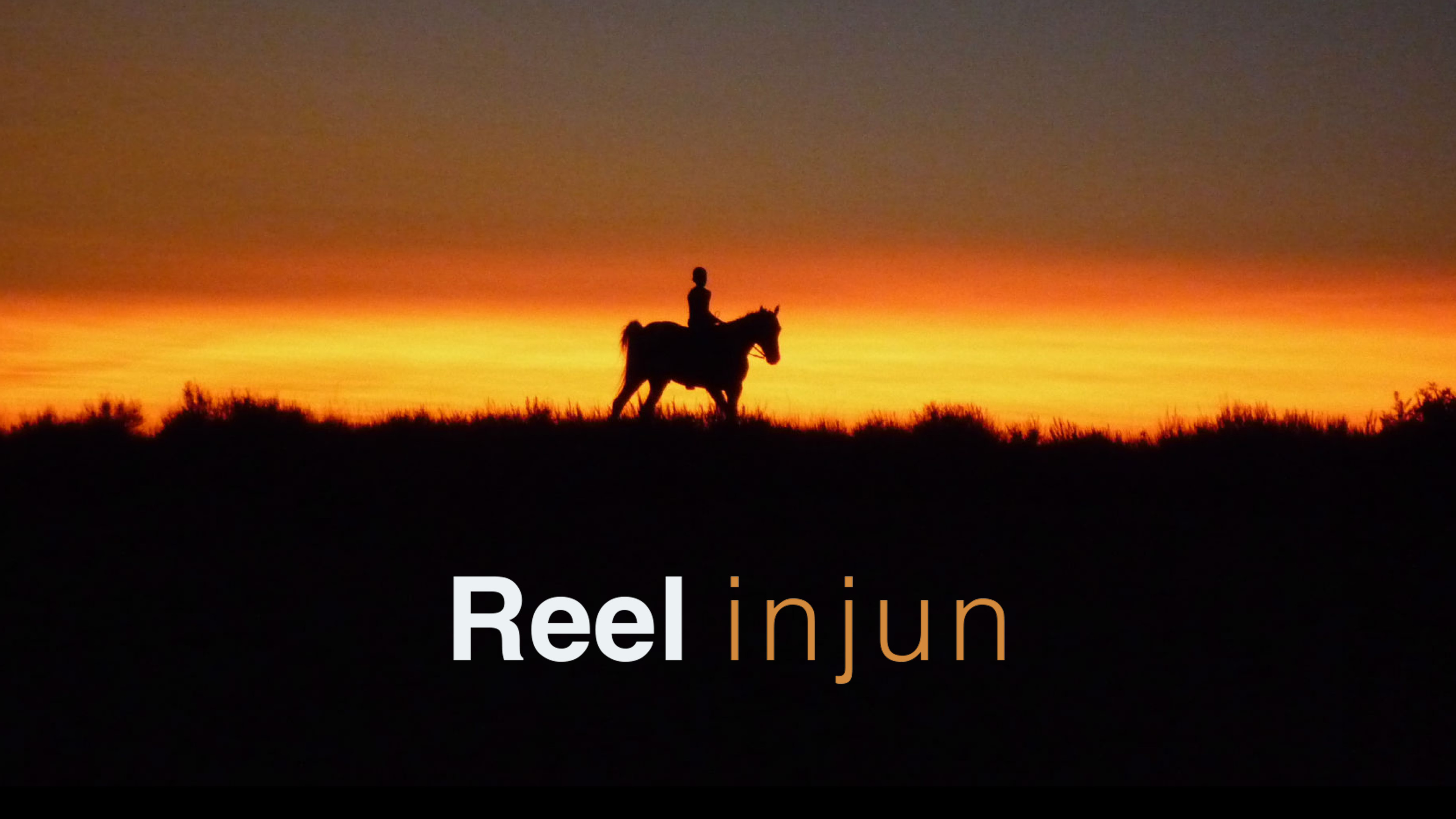
Image représentant la ressource: Reel Injun

Reel Injun

Cree filmmaker Neil Diamond takes an entertaining and insightful look at the "Hollywood Indian", exploring the portrayal of North American Indigenous peoples through a century of cinema. Traveling through the heartland of America, and into the Canadian North, Diamond looks at how the myth of "the Injun" has influenced the world's understanding - and misunderstanding - of Indigenous peoples. Reel Injun traces the evolution of cinema's depiction of Indigenous people from the silent film era to today, with clips from hundreds of classic and recent Hollywood movies, and candid interviews with celebrated Indigenous and non-Indigenous film celebrities, activists, film critics and historians. Diamond meets with Clint Eastwood (The Good, the Bad and the Ugly, A Fistful of Dollars, Unforgiven) at his studios in Burbank, California, where the film legend discusses the evolution of the image of "Indians" in Westerns and what cowboy-and-Indian myths mean to America. Reel Injun also hears from legendary Native American activists John Trudell, Russell Means and Sacheen Littlefeather. Celebrities featured in Reel Injun include Robbie Robertson, the half-Jewish, half-Mohawk musician and soundtrack composer (Raging Bull, Casino, Gangs of New York), Cherokee actor Wes Studi (Last of the Mohicans, Geronimo), filmmakers Jim Jarmusch (Dead Man) and Chris Eyre (Smoke Signals) and acclaimed Indigenous actors Graham Greene (Dances with Wolves, Thunderheart) and Adam Beach (Smoke Signals, Clint Eastwood's Flags of our Fathers). Diamond also travels North to the remote Nunavut town of Igloolik (population: 1500) to interview Zacharias Kunuk, director of the Caméra d'or-winning The Fast Runner. Reel Injun's humour and star power is balanced with insightful commentary from film critics and historians, including CBC film critic Jesse Wente, Angela Aleiss, author and scholar of Native American Studies, and Melinda Micco, associate professor of ethnic studies at Mills College in California. In Reel Injun, Diamond takes the audience on a journey across America to some of cinema's most iconic landscapes, including Monument Valley, the setting for Hollywood's greatest Westerns, and the Black Hills of South Dakota, home to Crazy Horse and countless movie legends. Was Crazy Horse the inspiration for the mystical warrior stereotype? In search of answers, we meet his descendants on the desperately poor Pine Ridge Indian reservation in South Dakota. Reel Injun traces the evolution of cinema's depiction of Indigenous people from the silent film era to today, only to find the future of Indigenous cinema in the unlikeliest of places - Canada's North. It's a loving look at cinema through the eyes of the people who appeared in its very first flickering images and have survived to tell their stories their own way.

Grade levels : 3e secondaire | 4e secondaire | 5e secondaire