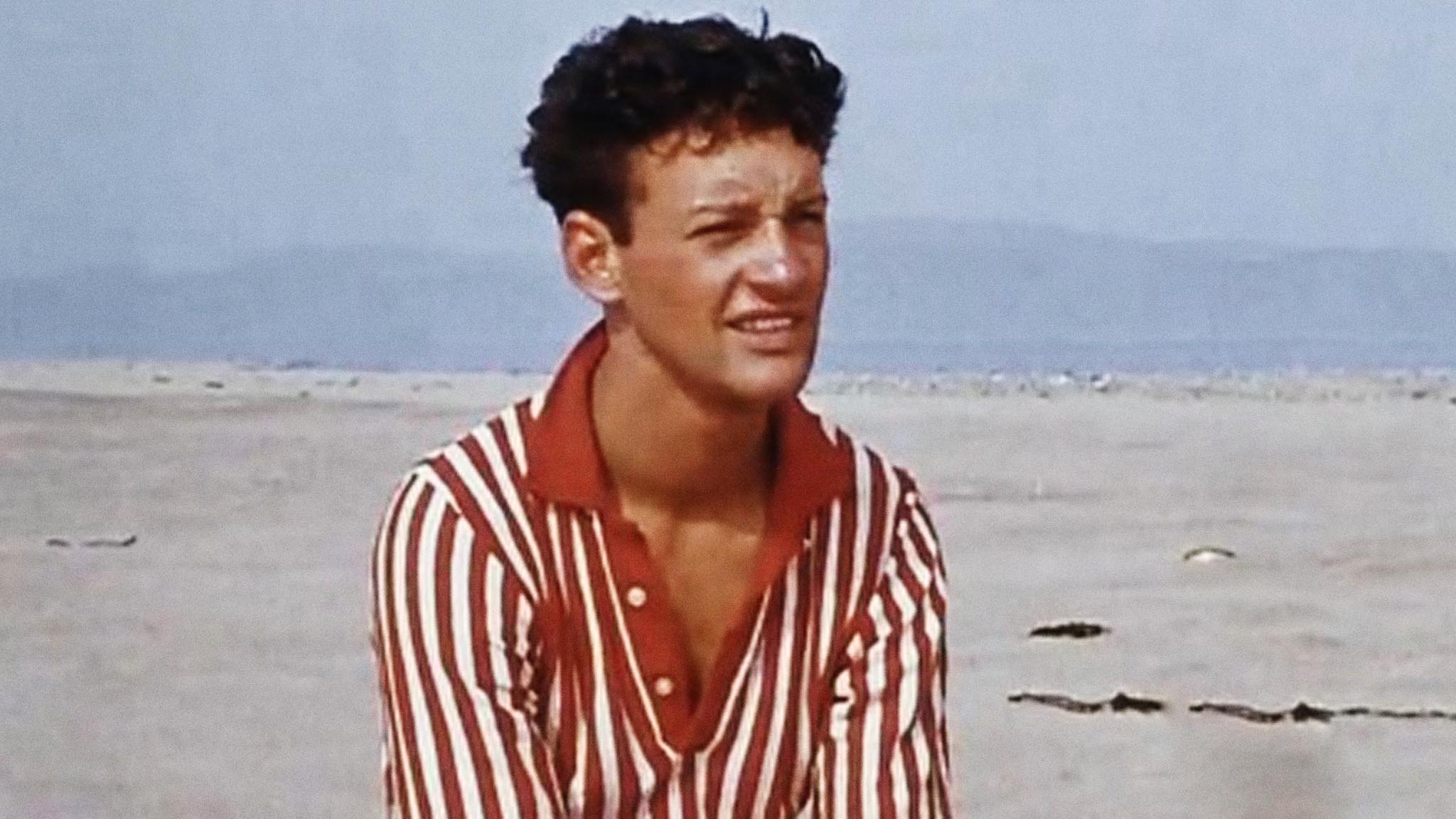
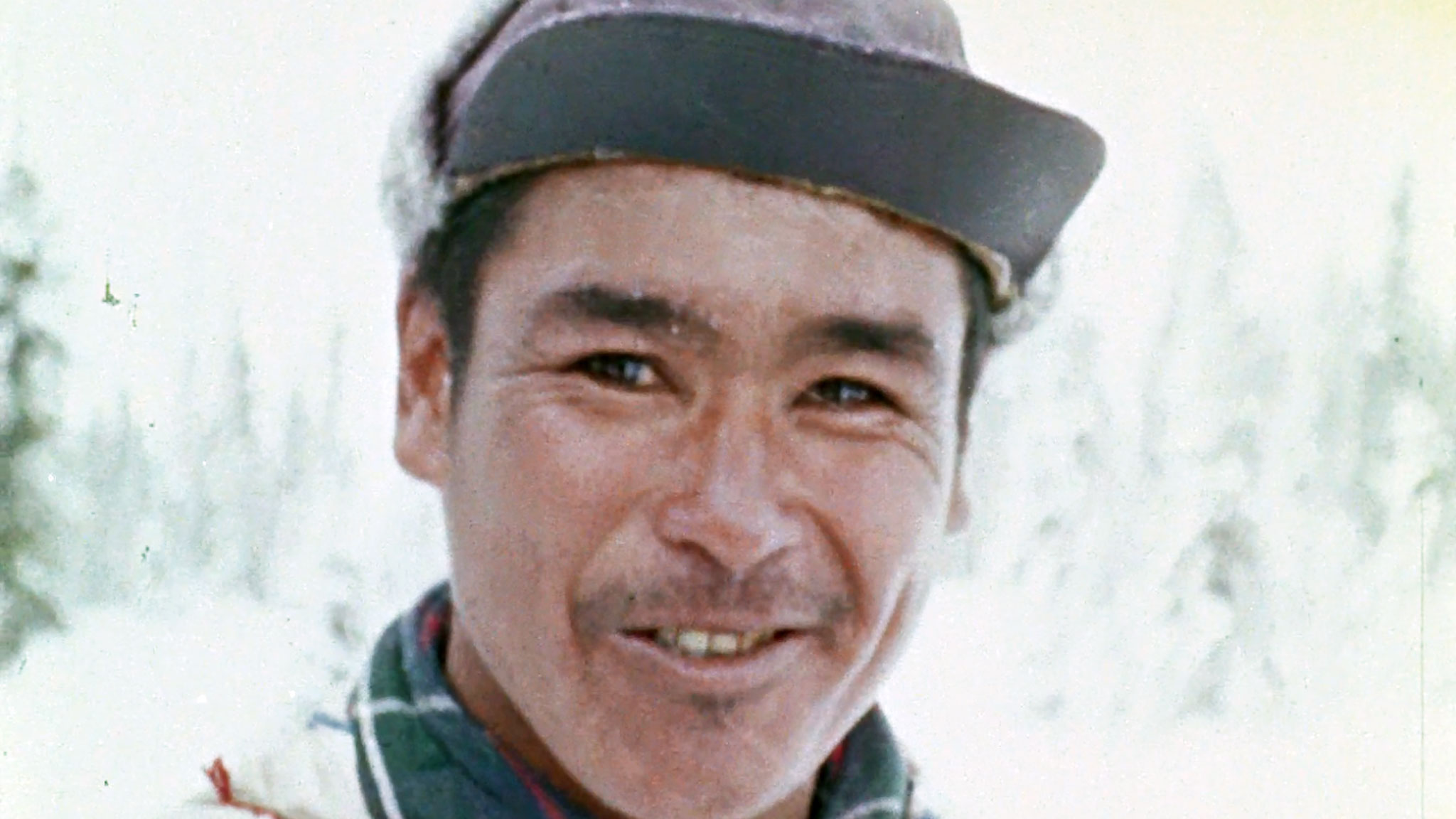
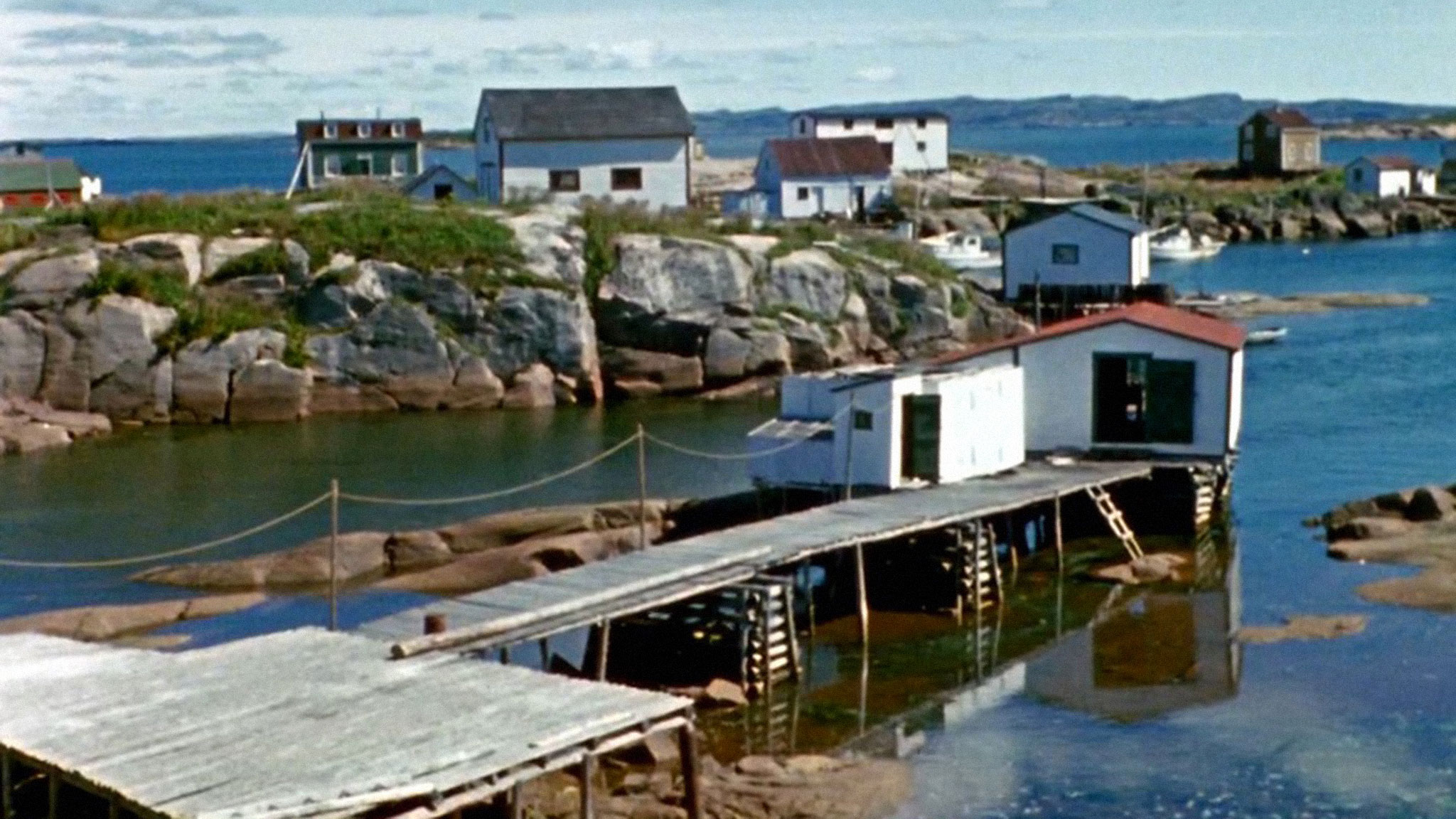
The Land of Jacques Cartier

Collaborators : Bonnière, René | Perrault, Pierre | Crawley Films Limited (Nepean)

Did Cartier dream of making a country from this land of a million birds? In his records of his exploration he certainly marvelled at seeing the great auks that have since disappeared from Isle aux Ouaiseaulx, the razor-bills and gannets that are gone from Blanc-Sablon, and the kittiwakes from Anticosti, all the winged creatures of all the islands which he described as being "as full of birds as a meadow is of grass". And that's not even counting the countless snow geese.

Grade levels
Secondaire
4e secondaire | 5e secondaire

Discover similar resources

Image représentant la ressource: Attiuk

Attiuk

The people of Unamenshipu (La Romaine), an Innu community in the Cote-Nord region of Quebec, are seen but not heard in this richly detailed documentary about the rituals surrounding an Innu caribou hunt. Released in 1960, it's one of 13 titles in Au Pays de Neufve-France, a series of poetic documentary shorts about life along the St-Lawrence River. Off-camera narration, written by Perrault, frames the Innu participants through an ethnographic lens. Co-directed by René Bonnière and Pierre Perrault, a founding figure of Quebec's cinéma direct movement. Alexis Joveneau, a Belgian Catholic missionary of the Congregation of the Oblates of Mary Immaculate, was the priest for the Montagnais community of La Romaine (Innu of Ulamen Shipit) from 1953 to 1992. From 1960 to 1985, he participated in the following five NFB films: Attiuk (1960), Ka Ke Ki Ku (1960), Le goût de la farine (1977), Le pays de la Terre sans arbre ou Le Mouchouânipi (1980) and La Grande Allure II (1985). Since November 2017, assault allegations have been brought against Mr. Joveneau by members of the La Romaine community during hearings conducted by the National Inquiry into Missing and Murdered Indigenous Women and Girls. A recent journalistic investigation reported other allegations of sexual assault and physical, psychological or financial abuse involving dozens of victims. On March 29, 2018, a class action request was filed against the Missionary Oblates of Mary Immaculate.

Grade levels : 3e secondaire | 4e secondaire | 5e secondaire
Image représentant la ressource: Ka Ke Ki Ku

Ka Ke Ki Ku

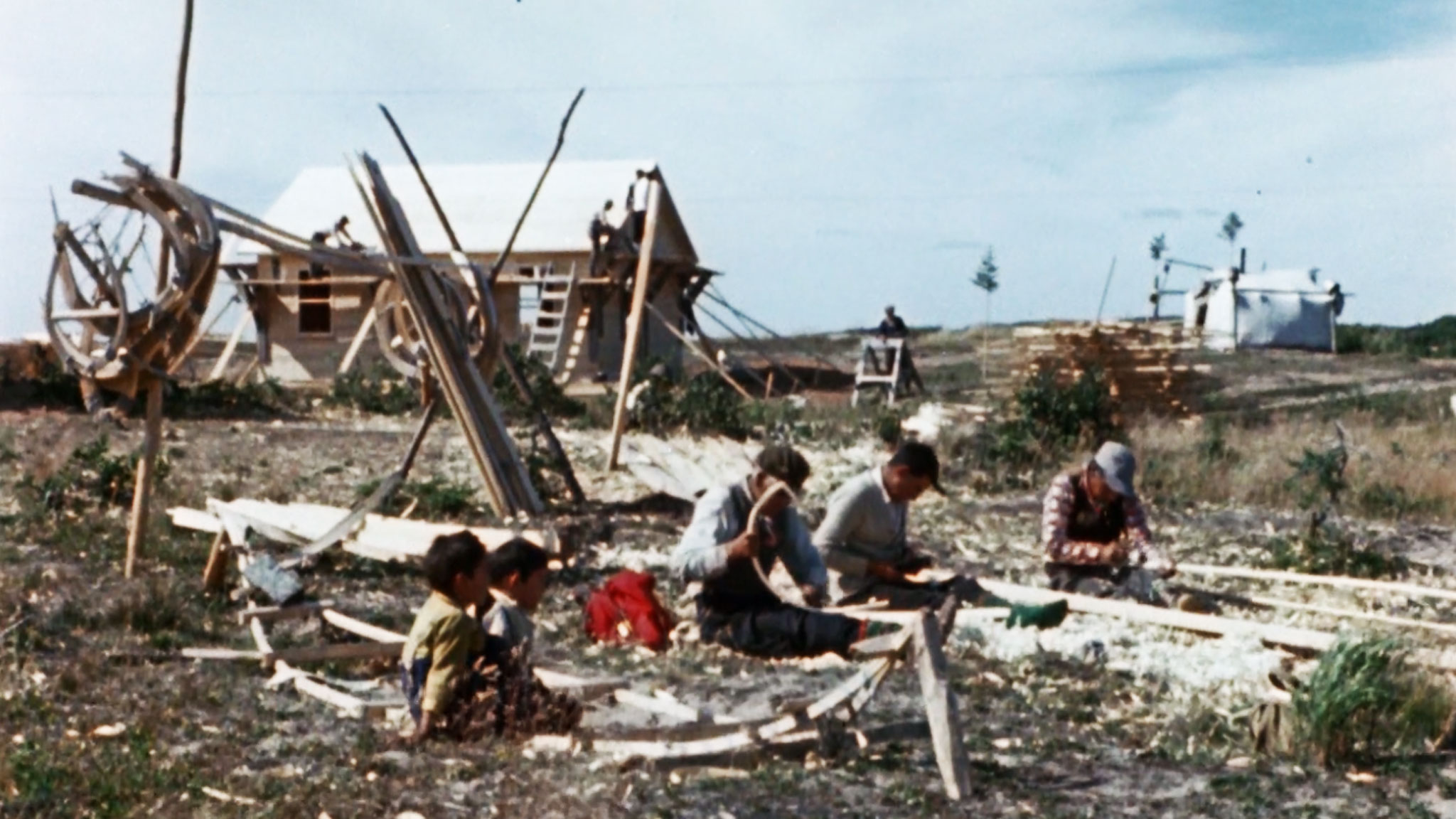
This early work from Pierre Perrault, made in collaboration with René Bonnière, chronicles summer activities in the Innu communities of Unamenshipu (La Romaine) and Pakuashipi. Shot by noted cinematographer Michel Thomas-d'Hoste, it documents the construction of a traditional canoe, fishing along the Coucouchou River, a procession marking the Christian feast of the Assumption, and the departure of children for residential schools - an event presented here in an uncritical light. Perrault's narration, delivered by an anonymous male voice, underscores the film's outsider gaze on its Indigenous subjects. The film is from Au Pays de Neufve-France, a series produced by Crawley Films, an important early Canadian producer of documentary films. Alexis Joveneau, a Belgian Catholic missionary of the Congregation of the Oblates of Mary Immaculate, was the priest for the Montagnais community of La Romaine (Innu of Ulamen Shipit) from 1953 to 1992. From 1960 to 1985, he participated in the following five NFB films: Attiuk (1960), Ka Ke Ki Ku (1960), Le goût de la farine (1977), Le pays de la Terre sans arbre ou Le Mouchouânipi (1980) and La Grande Allure II (1985). Since November 2017, assault allegations have been brought against Mr. Joveneau by members of the La Romaine community during hearings conducted by the National Inquiry into Missing and Murdered Indigenous Women and Girls. A recent journalistic investigation reported other allegations of sexual assault and physical, psychological or financial abuse involving dozens of victims. On March 29, 2018, a class action request was filed against the Missionary Oblates of Mary Immaculate.

Grade levels : 4e secondaire | 5e secondaire