Of Hopscotch and Little Girls...

Collaborators : Lamothe, Nicole | Lepage, Marquise | Simard, Marcel | Simard, Monique | Les productions Virage inc. (Montreal) | Office national du film du Canada

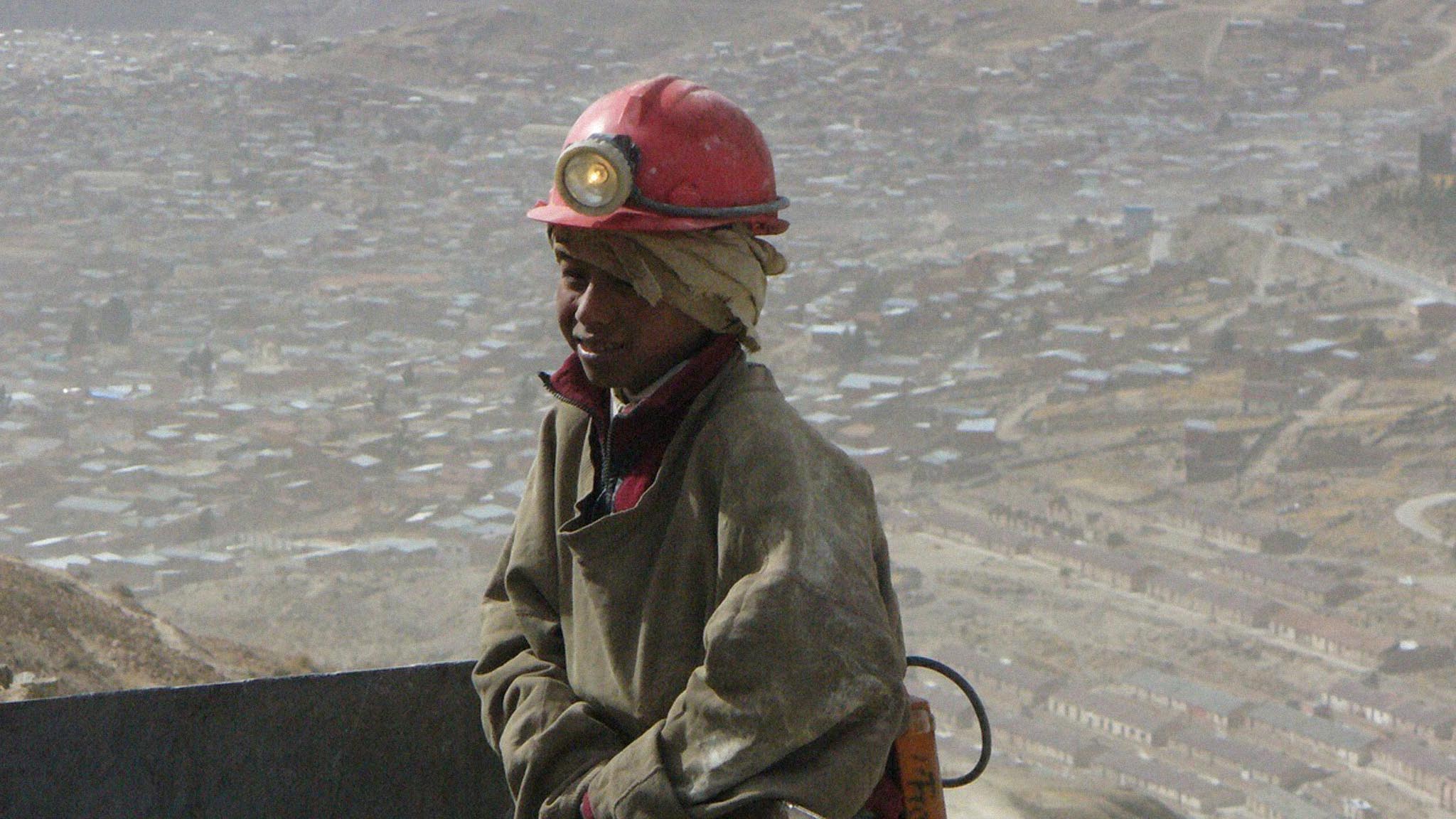
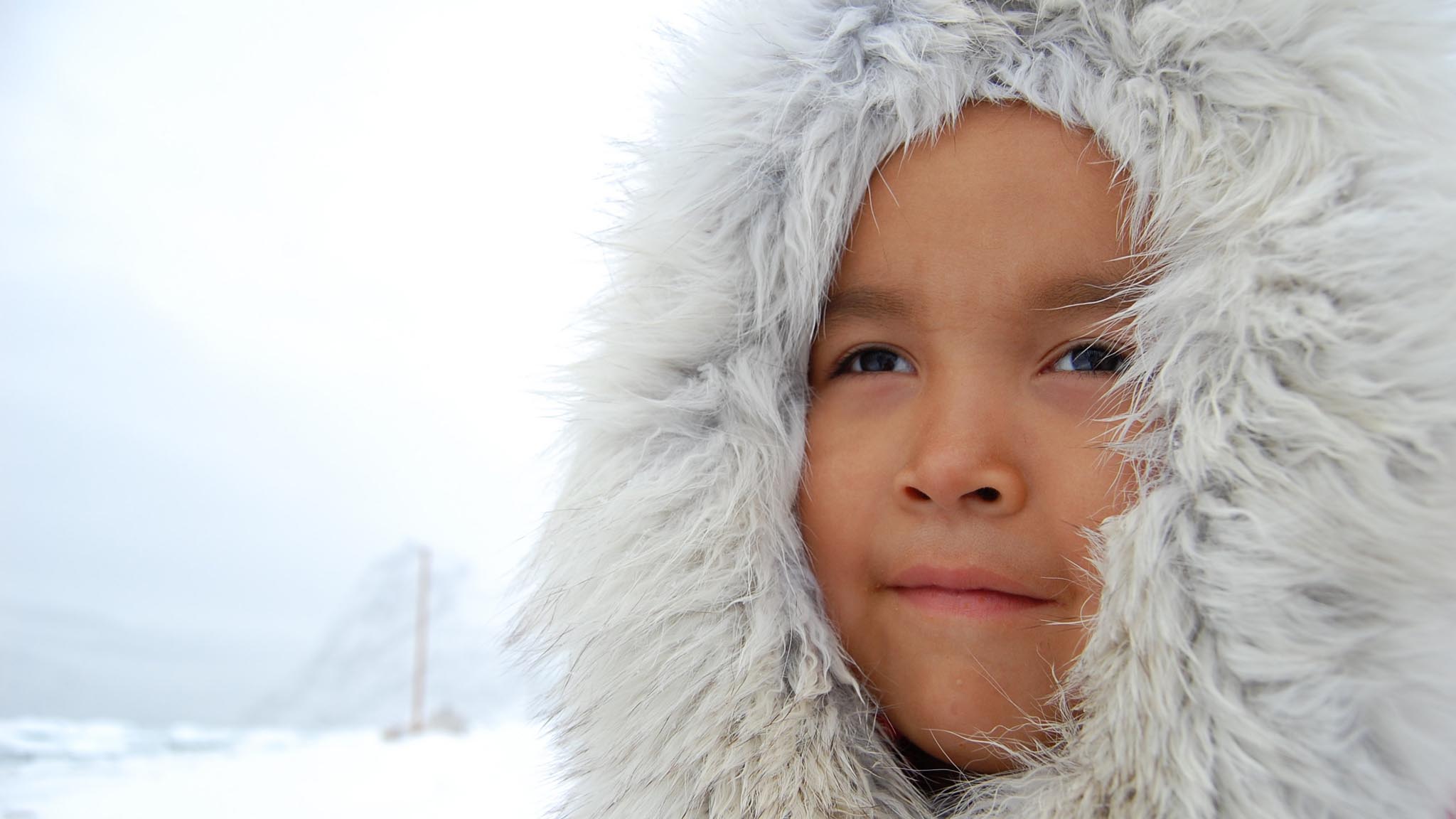
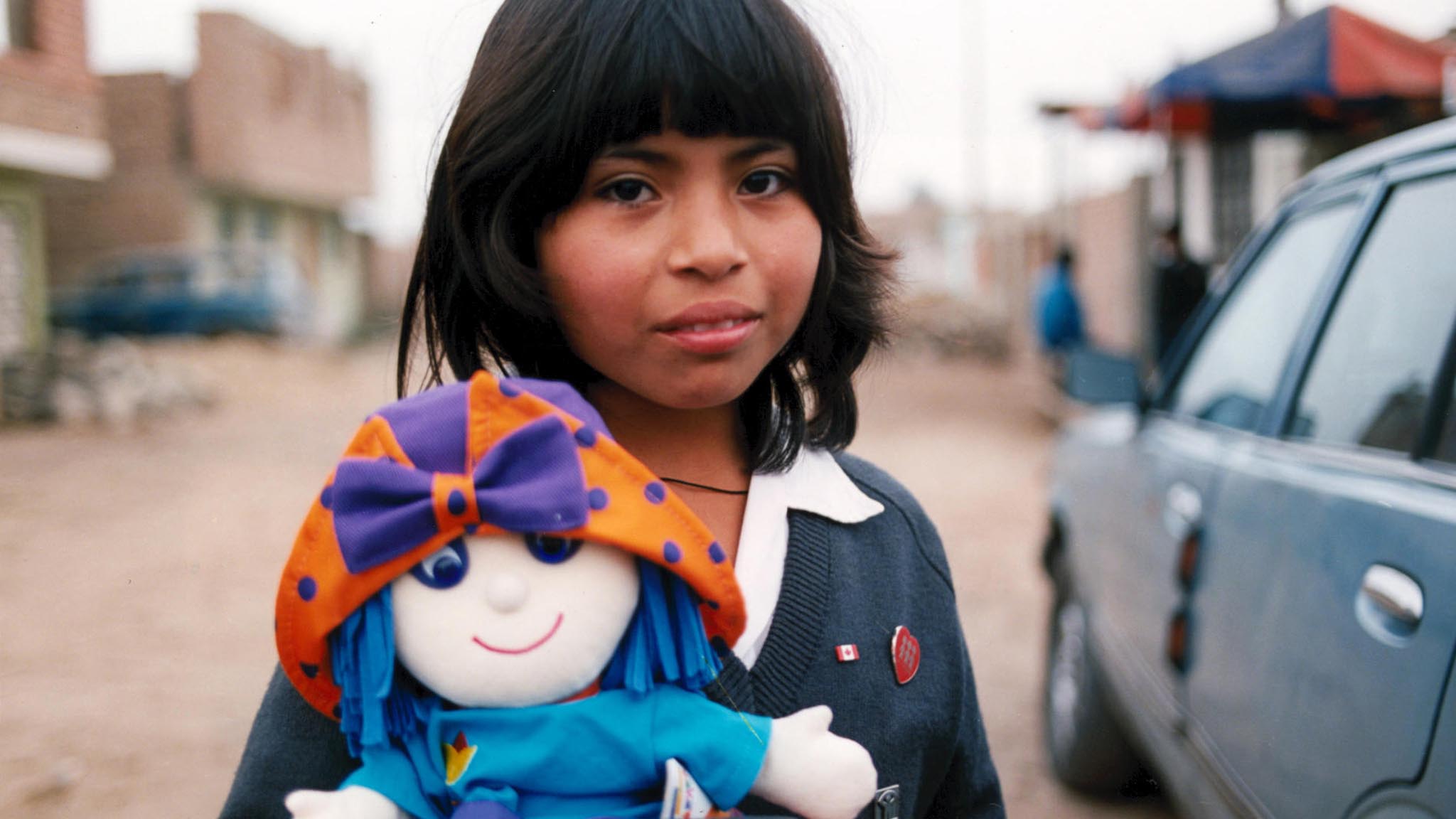
Hopscotch is universal. Girls around the world trace squares on the ground, then hop through them, trying hard to reach the end. Girls share other interests too; they all like to talk about school, what they want to be when they grow up, who they will marry, how many children they will have, their hopes for a better life for themselves and their family. But all too often, through poverty, perversion, spite, ignorance or superstition, adults shatter these dreams by denying girls the right to an education, entering them into forced labour, subjecting them to mutilation, sexual abuse and other injustices. Soni, Kamlesh, Mou, Yui, Dalal, Esmeralda, Fatou, Adiaratou, Safi and Maude range in age from 8 to 14. Some are frail, some strong; all are beautiful. Whether they live in India, Thailand, Yemen, Peru, Burkina Faso or Haiti, they all speak of having much of their childhood stolen from them. Because they are girls. With subtitles.

Discover similar resources

Image représentant la ressource: Boys, Toys and the Big Blue Marble

Boys, Toys and the Big Blue Marble

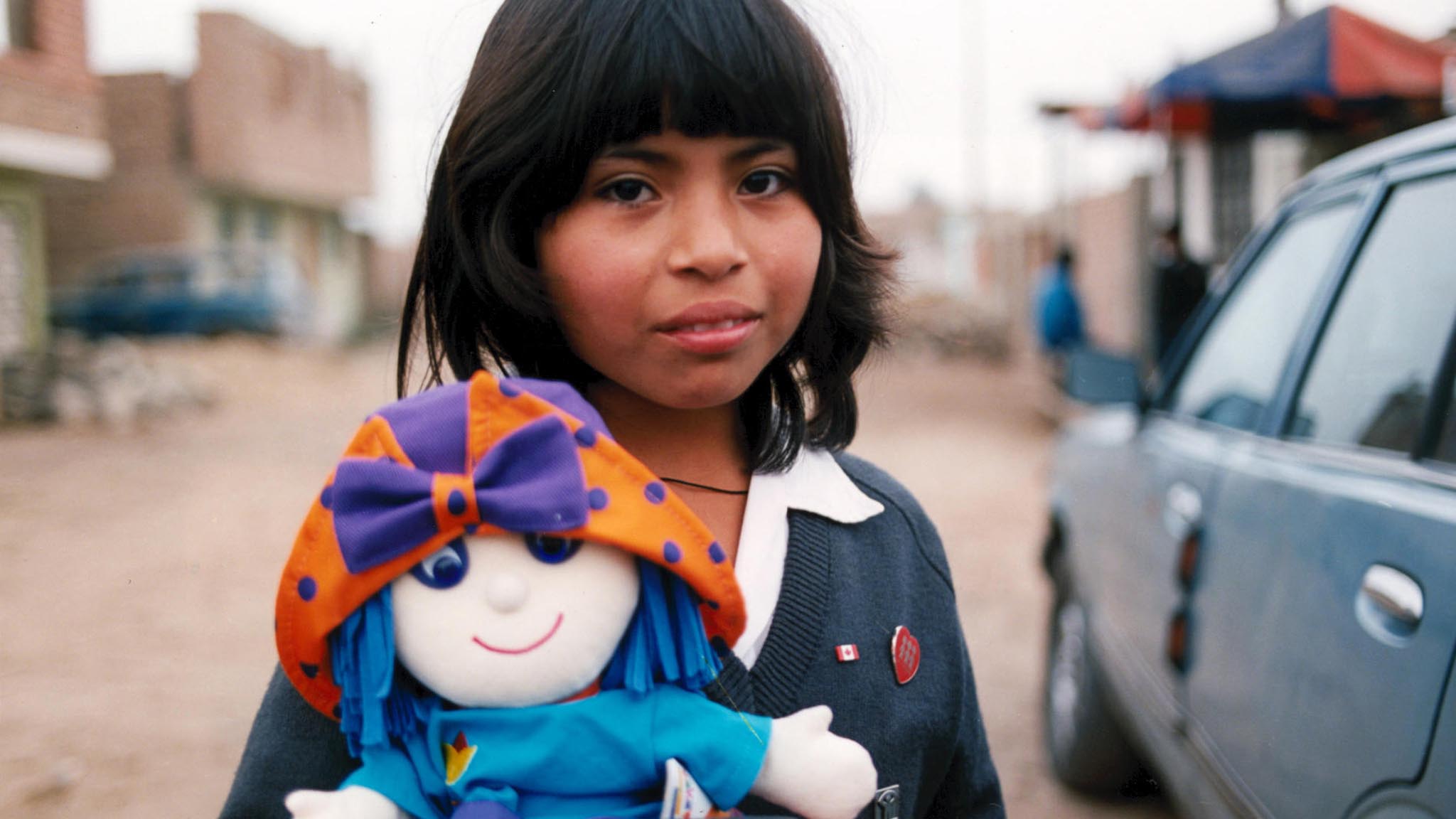
Childhood seems more a nightmare than a playground: 180 million children work throughout the world; war has massacred 2 million, wounded 6 million and orphaned 1 million over the last five years; 100 million will never go to school and over half a billion live on less than a dollar a day. A child dies of poverty every three seconds. Girls certainly bear the brunt of most exploitation but often the boys are overlooked: they too suffer abuse. In societies where sexism, violence and discrimination are tolerated, what happens to these boys once they're grown? Are the cruelty and injustice experienced by so many today the breeding grounds of tomorrow's killers? In Boys, Toys and the Big Blue Marble abused and exploited youngsters all over the world speak about their lives and their amusements. They tell us of suffocating poverty as well as their hopes and dreams. This tough documentary told from the boys' viewpoint is an appraisal of childhoods destroyed by slavery, criminality, war, sexual exploitation and human stupidity. Once they've grown up, what will these millions of broken boys do? Take revenge? Destroy the women and children in their lives? If the world is now preparing the next generation, what can one hope for in a profoundly unjust society? Yet while some swear to take revenge, others are trying to repair their lives and those of their families. The film examines themes such as slavery, war and criminality as experienced by boys in different countries, united by their games of marbles and soccer. Their childhood has been torn from them, but not their dreams.

Grade levels : 3e secondaire | 4e secondaire | 5e secondaire