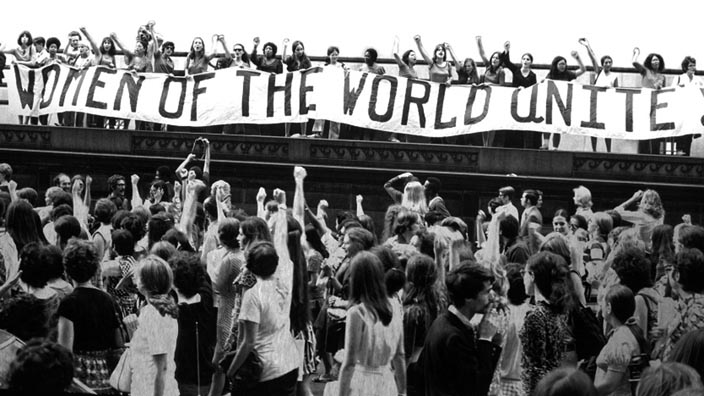
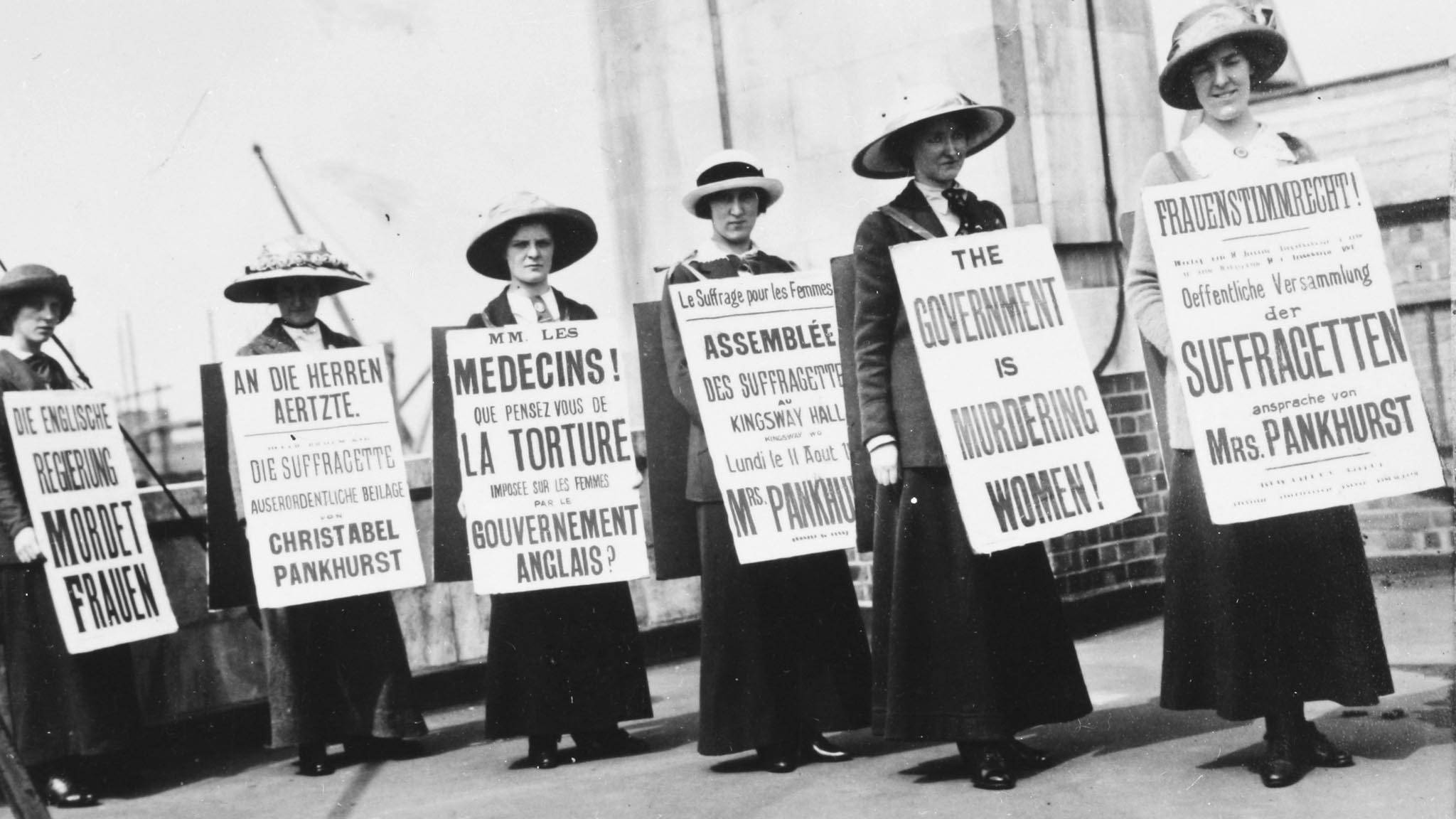
Women on the March

Collaborators : Balla, Nicholas | Tunstell, Douglas | Office national du film du Canada

Part 1: A film record of women at the turn of the century and of the suffragette movement's struggle for equal rights. Spearheaded by women like Emmeline Pankhurst, the movement was characterized by imprisonment, demonstrations, and a great following of men and women. Women of all classes, women working during the war, overseas and in North America, are presented in this fine documentary. Part 2: Made in 1958, this part of the film begins and ends in praise of women's acquisition of the vote. In between is a rendition of all the "equal" activities of women (and even more than equal in factory work). Much footage is devoted to the UN Status of Women committee, whose mandate does not extend beyond equal political rights under the law.

Grade levels
Formation générale des adultes
Adultes 1er cycle | Adultes 2e cycle
Secondaire
1re secondaire | 2e secondaire | 3e secondaire | 4e secondaire | 5e secondaire

Discover similar resources

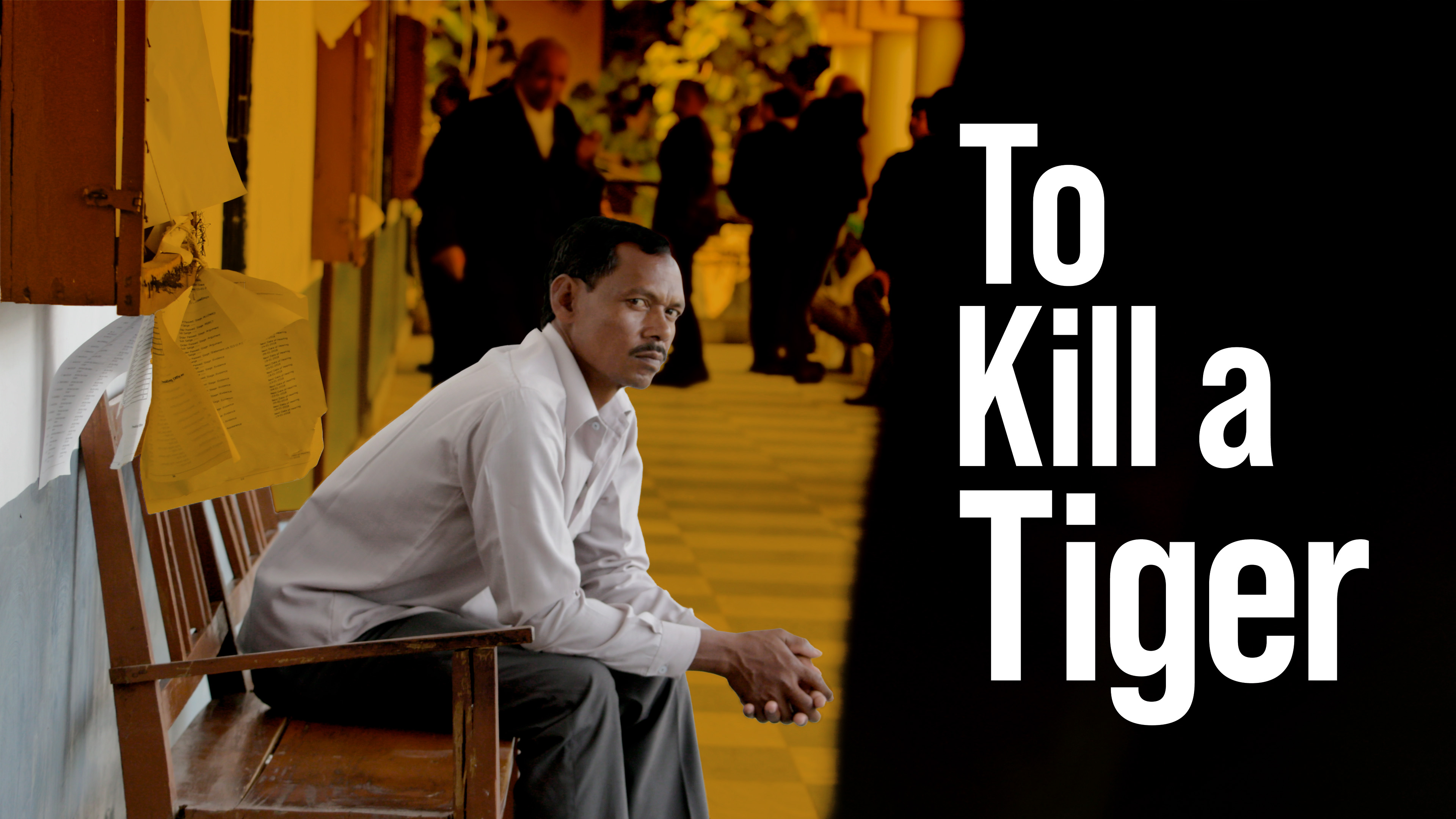
Image représentant la ressource: To Kill a Tiger

To Kill a Tiger

In a small village in Jharkhand, India, Ranjit wakes up to find that his 13-year-old daughter has not returned home from a family wedding. Calls are made, a search ensues, and a few hours later, she's found stumbling home. After being dragged into the woods she was sexually assaulted by three men, all of whom are known to the family. Ranjit and his wife go to the police, and the men are arrested. But the family's relief is short-lived when the villagers and their leaders launch a sustained campaign to force Ranjit to drop the charges. They demand the girl marry one of her rapists-a tried and true community solution. This, they feel, is the only way to restore her honour and that of the community. Ranjit defies their edict and embarks on a perilous journey, navigating both the labyrinth of India's courts and the rising dangers in his village. A cinematic, David and Goliath story, To Kill a Tiger follows Ranjit's uphill battle to find justice for his child. In India, where a rape is reported every 20 minutes and conviction rates are less than 30 percent, Ranjit's decision to support his daughter is virtually unheard of, and his journey unprecedented. His stand piques the interest of the Srijan Foundation, an NGO working to sensitize men and boys on women's rights. They look to Ranjit as a poster boy for their work and an inspiration to other men. Their support, along with the presence of the camera crew, fuels the ire of the villagers, and as the trial gets underway, threats of violence begin to loom. Ostracized by the community, dealing with mounting debt and fearing for himself and his family, Ranjit's composure begins to crack, and the whole process is in danger of being derailed. With tremendous access to all facets of this story, To Kill a Tiger charts the emotional journey of an ordinary man facing extraordinary circumstances. A father whose love for his daughter forces a social reckoning that will reverberate for years to come.

Grade levels : Adultes 1er cycle | Adultes 2e cycle | 3e secondaire | 4e secondaire | 5e secondaire