PowWow at Duck Lake

Collaborators : Hughes, David | Office national du film du Canada

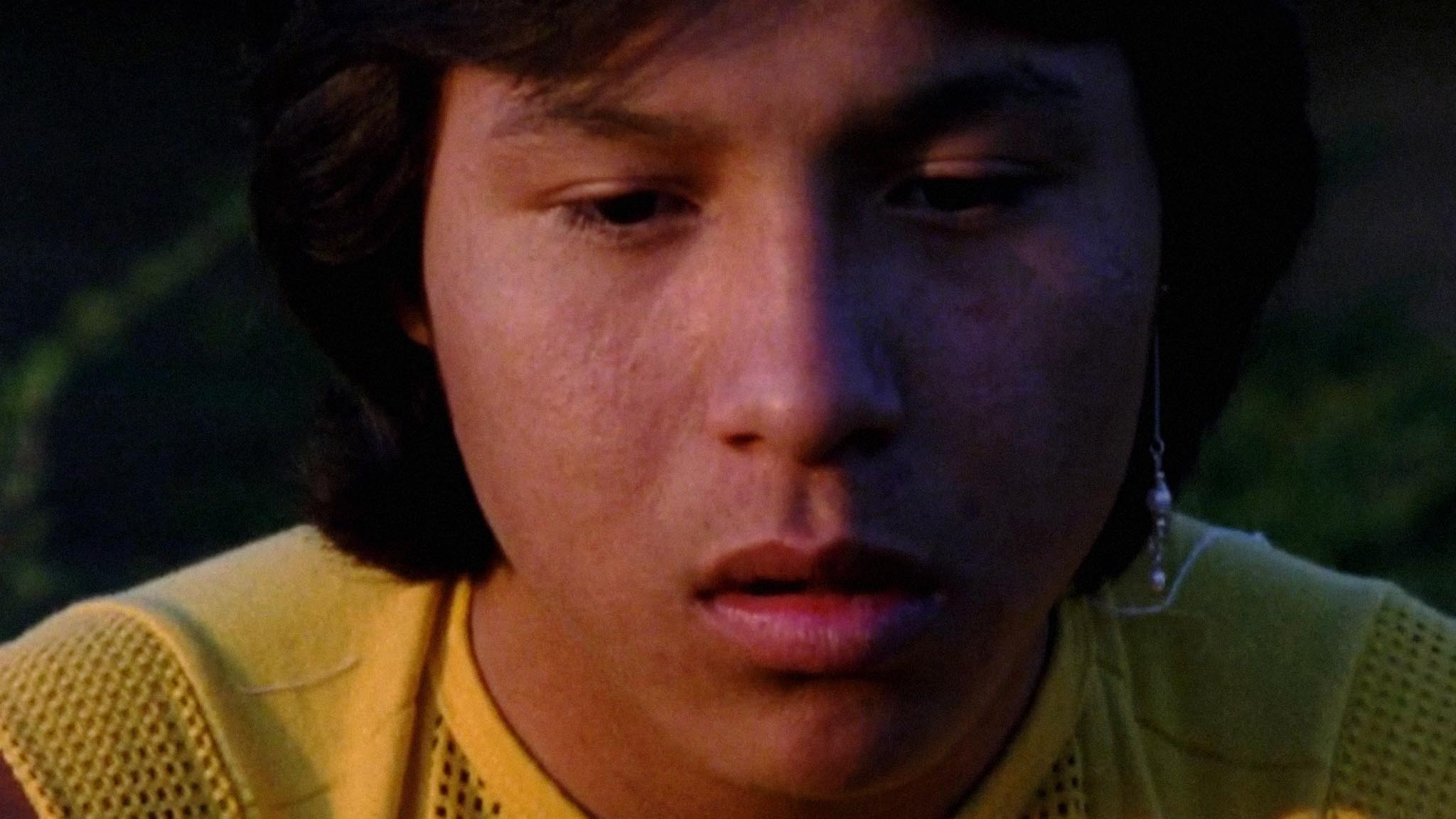
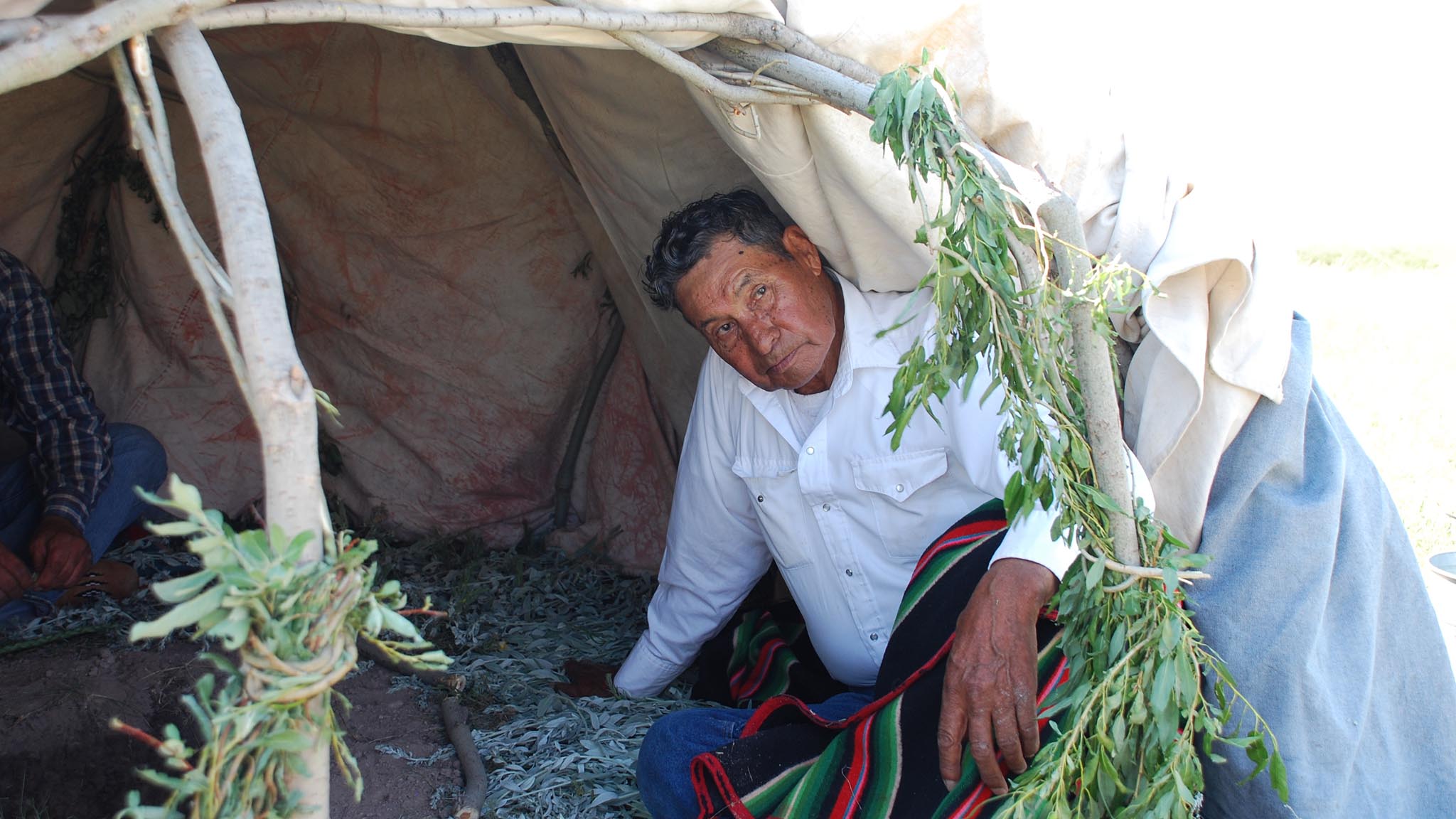
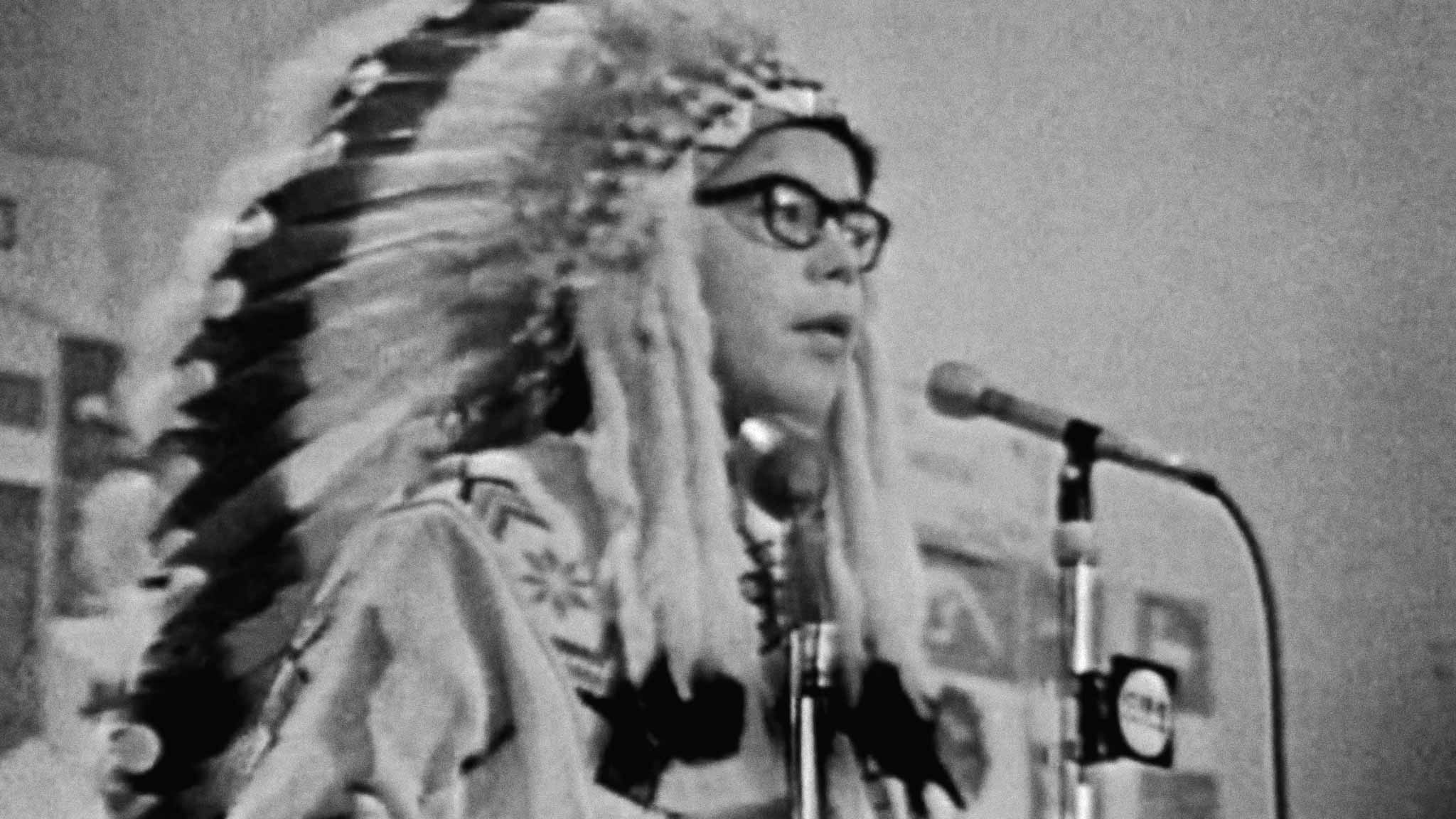
PowWow at Duck Lake is a powerful short documentary showing Indigenous youth resistance and emerging voices that will continue to define the landscape of Indigenous cultural and political activism for the next generation. Members of the National Youth Council, including Duke Redbird and Harold Cardinal, have a powerful exchange with a hostile white priest about the failures of the education system in relation to Indigenous people. The group tackles issues including segregated residential schools, the denial of citizenship rights, loss of language, and mass incarceration, many of which persist or continue to be stumbling blocks in the relationship between Indigenous people and the Government of Canada today. This film was produced as part of Challenge for Change/Société Nouvelle (CFC/SN), a groundbreaking community-engaged documentary program run by the National Film Board from 1967 to 1980. The program pioneered participatory and experimental storytelling in film and video, with a focus on the perspectives of Indigenous and marginalized communities whose voices were rarely represented in the media landscape. In 1968, the Challenge for Change program established the "Indian Film Crew," marking the beginning of a movement of Indigenous filmmaking at the NFB and in Canada.

Grade levels
Formation générale des adultes
Adultes 1er cycle | Adultes 2e cycle
Secondaire
4e secondaire | 5e secondaire

Discover similar resources

Image représentant la ressource: Second Stories - It Had to Be Done

Second Stories - It Had to Be Done

Second Stories follows on the heels of the enormously successful First Stories project, which produced three separate collections of short films from Manitoba, Saskatchewan and Alberta. First Stories films have gone on to win many awards, both collectively and individually, in national and international festivals and competitions. Second Stories builds on that success by providing a continuum of training for three of the twelve Indigenous filmmakers who delivered such compelling documentary shorts. Through this unique mentoring and training process, Second Stories filmmakers have a chance to hone their storytelling craft (in a professional production experience), while working with a strong creative team to assist in the realization of their half-hour documentaries. Each of the filmmakers selected were assigned a story consultant/story editor and an NFB producer. As was the case with First Stories, the emphasis is on enabling Indigenous filmmakers to tell the stories that are important to them and their communities. The partners in this special initiative are CBC, APTN, SCN, SaskFilm and MANITOBA FILM & SOUND. The Settlement It Had To Be Done explores the legacy of residential schools through the eyes of two extraordinary women who not only lived it firsthand, but who, as adults, made the surprising choice to return to the school that had affected their lives so profoundly. This intimate and moving film affirms their strength and dignity in standing up and making a difference on their own terms.

Grade levels : Adultes 1er cycle | Adultes 2e cycle | 4e secondaire | 5e secondaire