Log in with Mozaik
 Log in with Pluriportail
 Log in with COBA Pédagogie

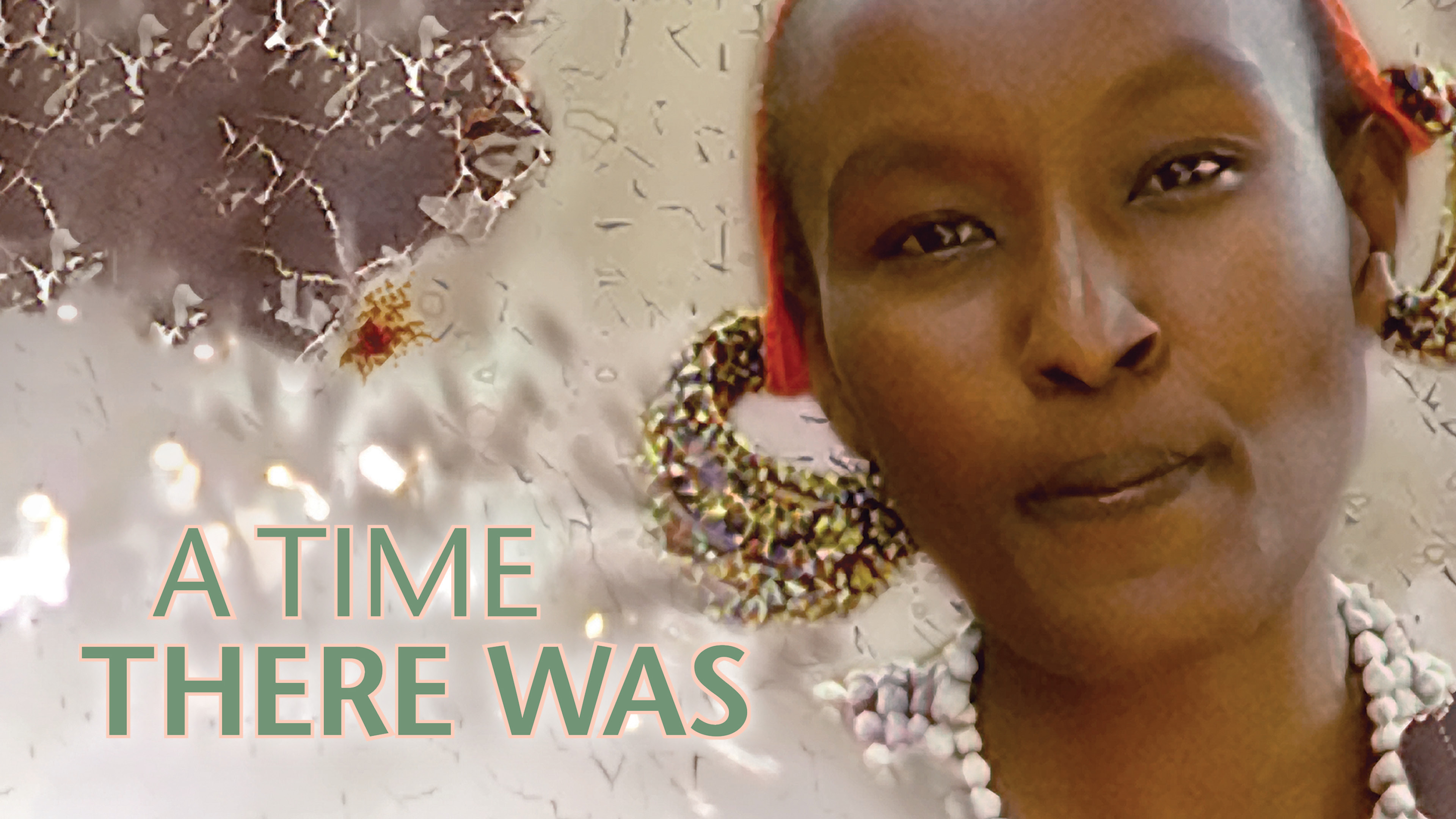
En ce temps-là : souvenirs des derniers jours de la colonie du Kenya
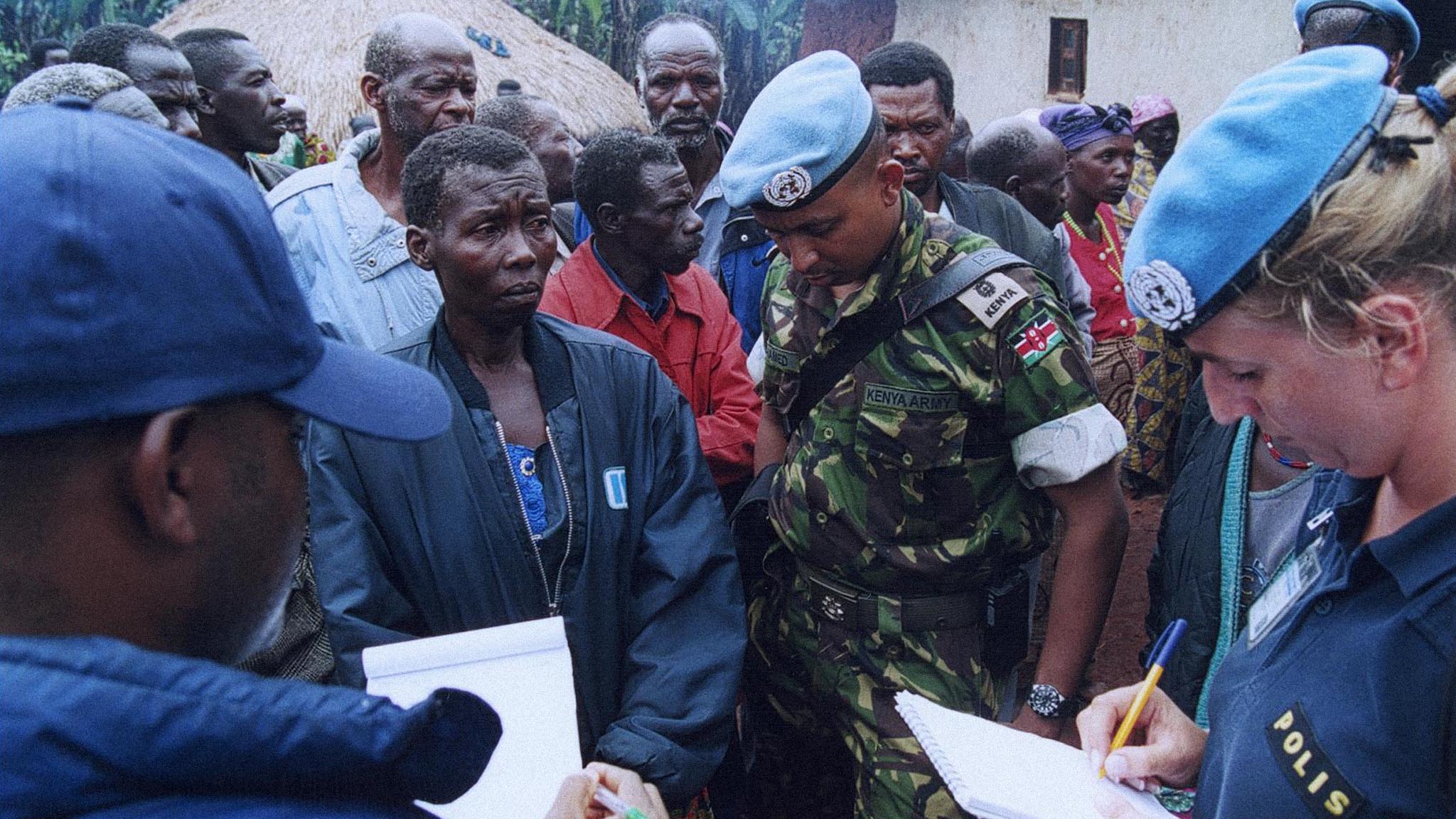
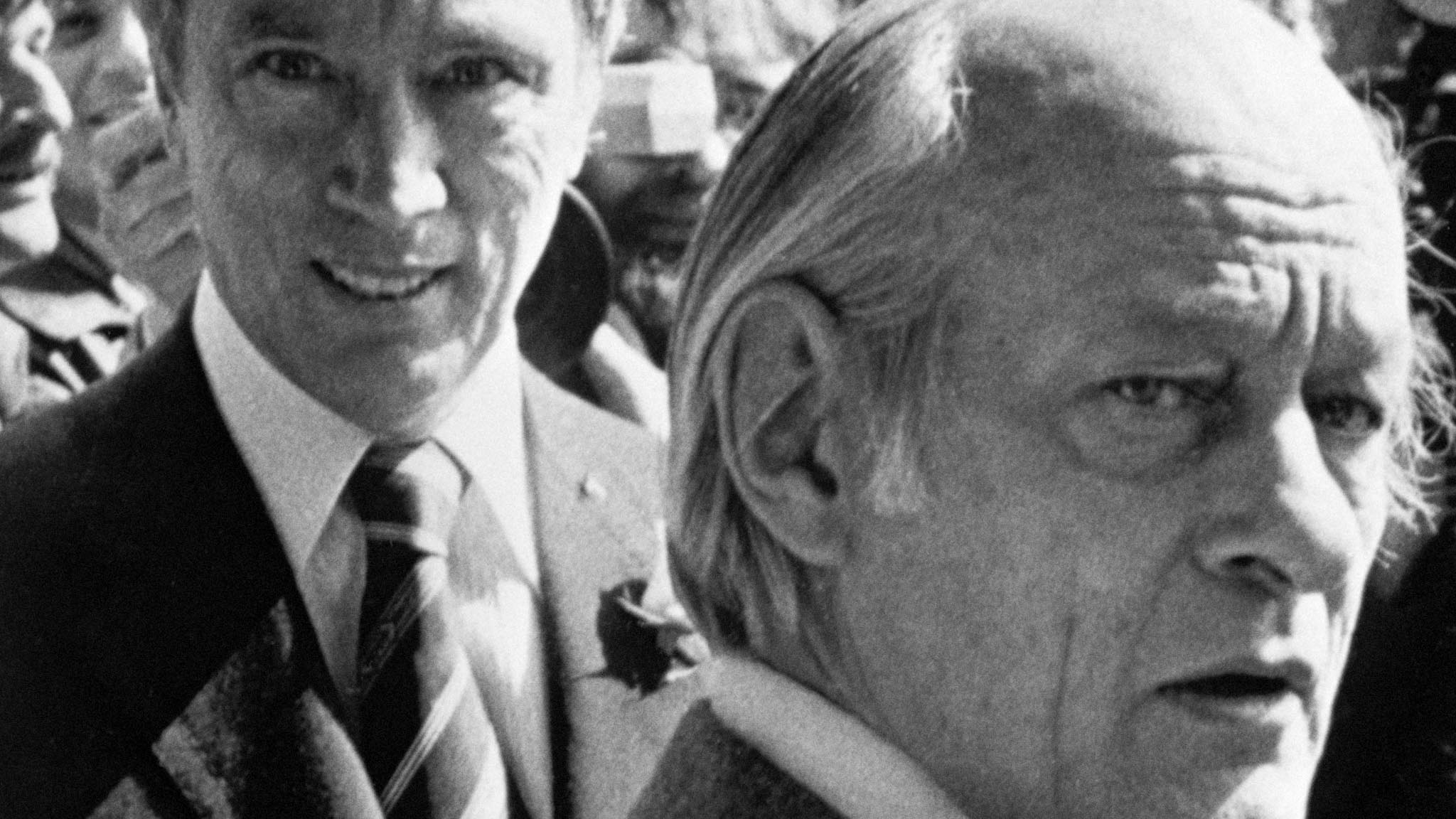
Le 1er mai 1955 en début d’après-midi, dans la gorge Ndyeia au Kenya central, Don McWilliams et des camarades soldats de l’armée britannique regardent mourir à leurs pieds un combattant mau-mau qu’ils ont abattu. Au-dessus du groupe se déploie l’immense ciel de la vallée du Rift. McWilliams, qui a grandi sous les bombardements londoniens et sort à peine de l’adolescence, fait son service militaire au Kenya. En jeune héritier de la tradition impériale britannique, il est venu vivre la grande aventure africaine. Mais le regard du rebelle agonisant change sa vie. Cinquante ans plus tard, dans En ce temps-là: Souvenirs des derniers jours de la colonie du Kenya, le cinéaste porte sur son passé un regard critique, ferme, sans compromission. Rigueur historique et lyrisme caractérisent ce journal filmé d’une singulière beauté qui marie des photos rapportées d’Afrique par McWilliams lui-même, une animation originale et des images d’archives. Il en résulte un compte rendu éclairé de la rébellion mau-mau, un épisode parmi les plus controversés de l’histoire de l’empire britannique déclinant. Le conflit mau-mau est né du profond ressentiment des Kikuyu à l’endroit de colons anglais qui leur ont confisqué de vastes terres de culture. À l’époque, les blancs représentent les rebelles comme des sauvages dépravés qui résistent à la poussée civilisatrice. En réalité, les atrocités ont été commises par les deux camps et ont fait beaucoup de victimes, bien davantage chez les Africains que chez les Européens. McWilliams appuie son récit personnel sur ceux d’autres témoins de la révolte mau-mau: Mwaria Juma, vétéran fait prisonnier avec des milliers de ses compatriotes, et qui ne trouve plus d’appuis dans un Kenya devenu amnésique; Achrroo Kapila, avocat militant issu de la minorité asiatique de Nairobi, qui a défendu des centaines de dissidents politiques kényans, dont Jomo Kenyatta, un futur premier ministre; et John Nottingham, qui a tourné le dos à ses collègues de l’administration coloniale en embrassant la cause de l’indépendance du Kenya. Fidèle émule de Norman McLaren, McWilliams puise à un riche éventail de moyens cinématographiques pour donner un sens nouveau aux images portées par les vieilles bobines et les anciennes photos. Et il donne à la puissante narration de son film un contexte sonore mêlant des chants kenyans et mau-mau à des compositions originales du jazzman Kevin Dean. Après The Passerby et La cinquième province, McWilliams clôt avec En ce temps-là: Souvenirs des derniers jours de la colonie du Kenya une remarquable trilogie autobiographique et s’affirme comme l’un des grands poètes essayistes du cinéma canadien.

 Back
Back